Water Damage Restoration Madison, TN
24/7 water damage restoration in Madison, TN: the extraction crew pulls standing water, the drying team dries framing, subfloors and slabs to the IICRC S500 standard, and every reading goes into the claim file.
(888) 849-5796Ranch home taking on water? Start the extractionWater and sewage losses only. Typical cost ranges sit further down the page, and a firm price follows the walkthrough.
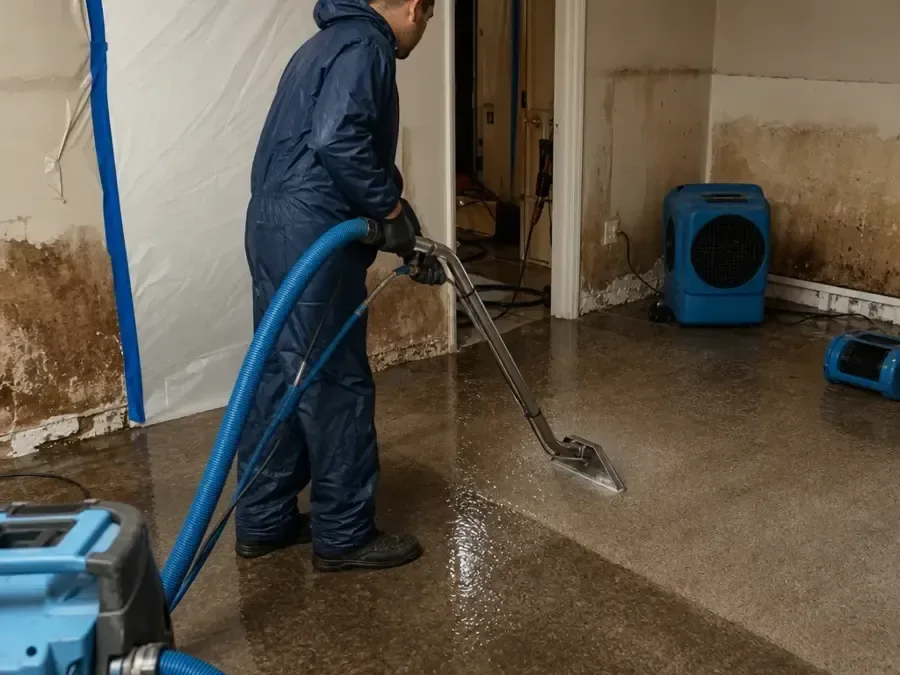
What to do in the first hour after water gets in
- 1
Stop the source
Close the main shutoff or the fixture valve, and keep the water from feeding the damage any further.
- 2
Cut power safely
Turn off breakers for wet rooms only if the panel sits in a dry spot, and stay out of water near outlets.
- 3
Photograph everything
Take wide shots and close-ups of water, stains and damaged contents before anything is moved or thrown out.
- 4
Lift what you can
Move rugs, electronics, papers and photos off wet floors and onto a dry upper shelf or table.
- 5
Call for extraction
Pulling the water early keeps drywall and subfloor savable inside the 24 to 48 hour window before growth starts.
Water Damage Services Across Madison and Rivergate
Every service below deals with water or sewage, from river and creek flooding and storm-torn roofs to freeze breaks, crawl space water and the slow leak hiding under a slab.
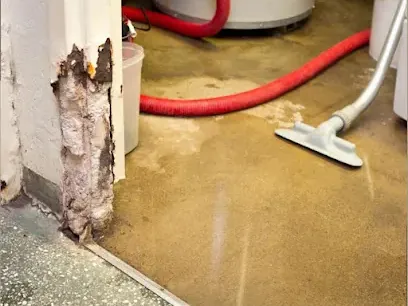 Water Extraction and RemovalStanding water pulled with truck-mounted units and floor wands before it wicks into pad, drywall and framing.See the service
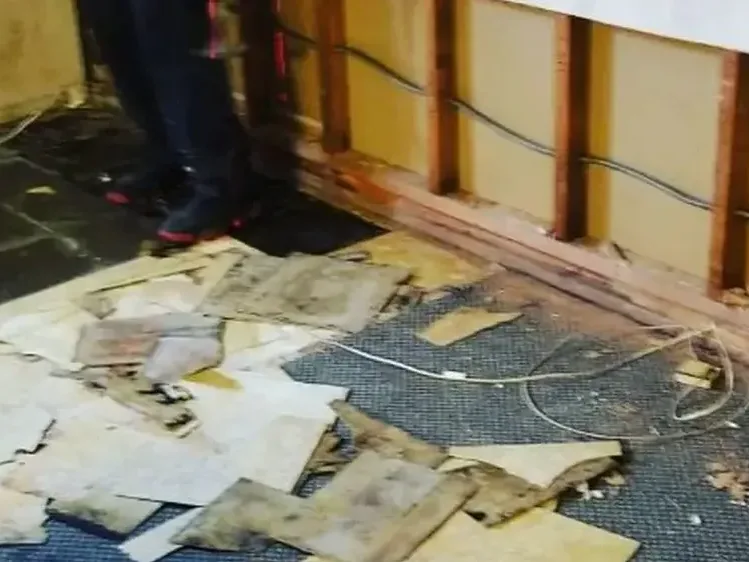 Flood and Flash Flood CleanupRising creek water and flash flooding treated as Category 3: extraction, tear-out above the waterline, antimicrobial and drying.See the service
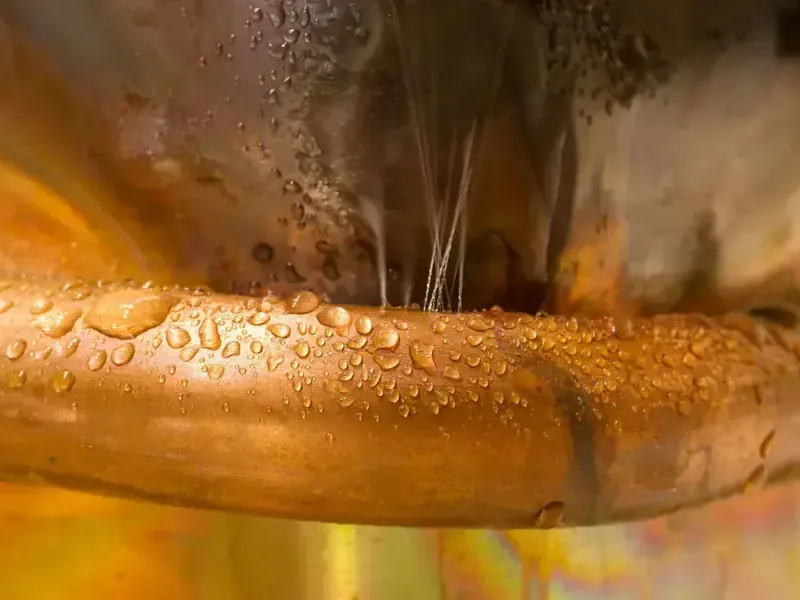 Burst Pipe Water DamageSplit supply pipes inside walls and ceilings shut down, the water pulled out and every soaked cavity dried.See the service
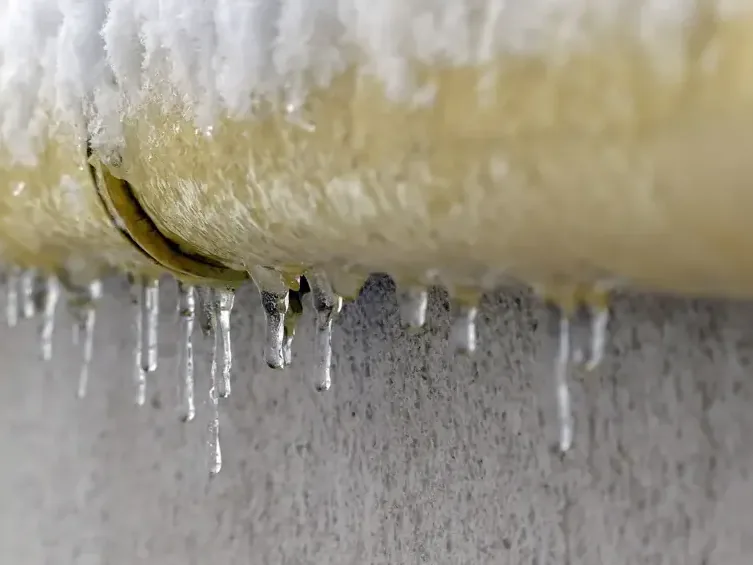 Frozen Pipe Water DamageLines in exterior walls and crawl spaces that split on hard winter nights, dried out after the thaw.See the service
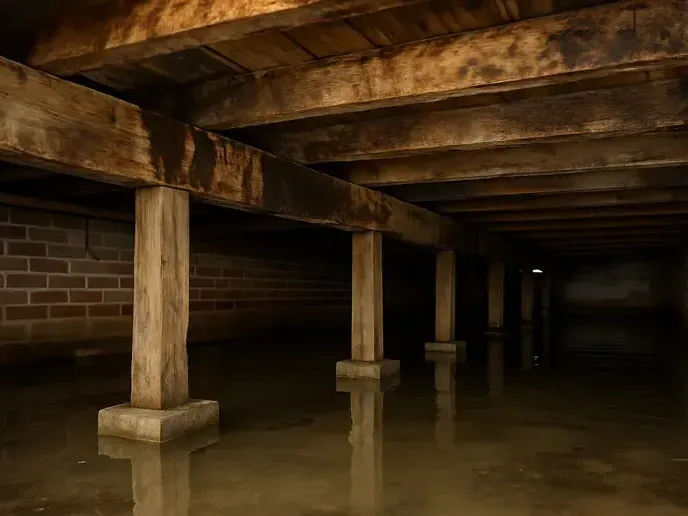 Crawl Space Water RemovalWater pooled under raised floors pumped out, wet insulation pulled and the joists and sill dried.See the service
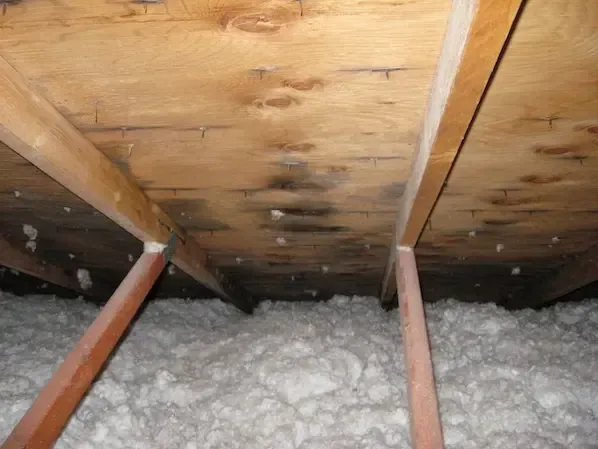 Roof Leak Water DamageWind-driven rain through storm-damaged shingles and flashing, with wet attic insulation removed and ceilings dried.See the service
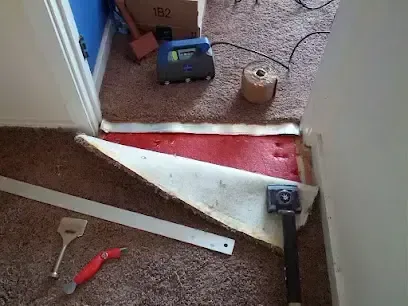 Slab Leak Water DamagePressure leaks under a slab found by moisture mapping, flooring lifted and the concrete dried.See the service
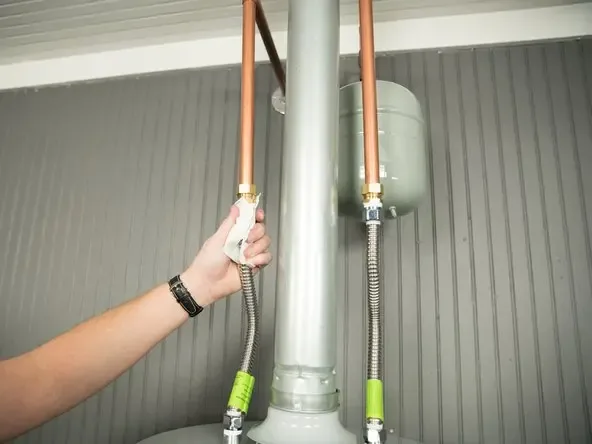 Water Heater Leak CleanupTank failures in closets and garages extracted before the water reaches cabinets, trim and stored boxes.See the service
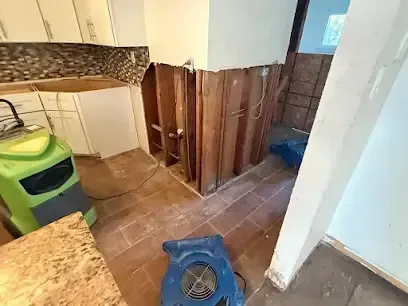 Appliance Leak Water DamageWasher hoses, dishwasher supplies and ice maker lines that leak under cabinets and floors while no one is home.See the service
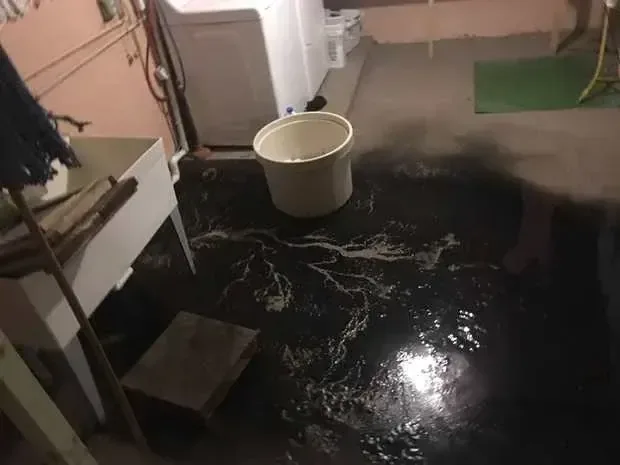 Sewage Backup CleanupToilet, tub and floor drain backups handled as Category 3 from the first minute on site.See the service
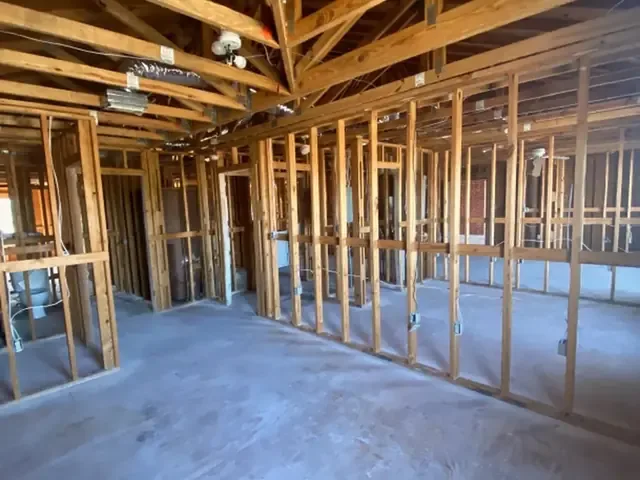 Structural DryingFraming, subfloor, plaster and concrete dried to within 2 to 4 points of a dry reference.See the service
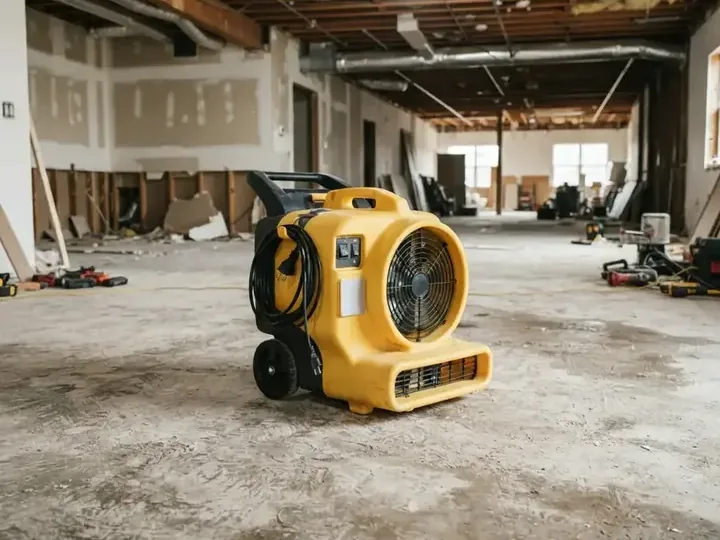 Commercial Water DamageShops, offices and showrooms along Gallatin Pike and Rivergate dried in phases to keep doors open.See the service
Unsure which service fits the damage?Say where the water started and which rooms it reached, and dispatch matches the crew and the equipment to the job.(888) 849-5796
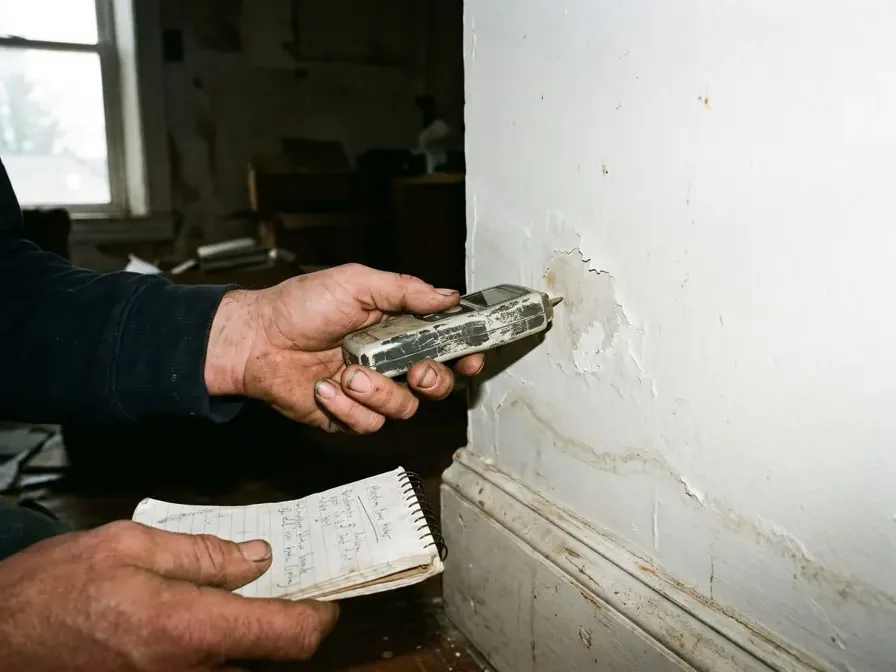
Water damage pros who dry the structure, not just the floor
Brick ranch homes from the 1950s, newer townhomes off Gallatin Pike and the shops around Rivergate all hold water in places a mop never reaches. Inside walls, under floors and down in the crawl space, it waits until someone measures it.
- Rapid local dispatch. The response team runs 24/7 across northeast Nashville, and active water is treated as urgent at any hour.
- Measured, not guessed. Thermal imaging and pin and pinless meters map every wet wall, floor and joist before equipment goes down.
- Category and class first. Clean, gray and black water are handled differently, and the class of the loss sets how much equipment the job needs.
- A file your insurer can read. Moisture maps, daily logs and timestamped photos are kept from the first visit to the final dry reading.
Water damage dried to the IICRC S500 standard
The order of the work decides whether a dry-out is finished or only looks finished. Each step below is logged, so the readings, not a date on the calendar, decide when the equipment leaves.
- 1
Map the moisture
The tech on the walkthrough traces the water with thermal imaging and meters and sketches the wet area before anything is moved.
- 2
Pull the water
The extraction crew removes standing water with truck-mounted units so it leaves the building instead of soaking deeper.
- 3
Set the drying
The drying team sizes air movers and LGR dehumidifiers to each room and runs them around the clock with the room closed.
- 4
Read, log, verify
Readings are logged daily until wet materials sit within 2 to 4 points of a dry reference, and then the equipment comes out.
The equipment behind a measured dry-out
- Truck-mounted extraction pulls standing water out of the building fast.
- Thermal imaging and pin and pinless meters find water behind walls and under floors.
- Air movers are set to each room's evaporation load, not a fixed count.
- LGR dehumidifiers, and desiccant units for Class 4 materials, pull the moisture out of the air.
What does water damage restoration cost in Madison, TN?
Water damage restoration here typically runs $750 to $11,000 or more. The water category, the square footage that got wet, the material class and how fast drying started move the number most, along with whether flooring or drywall has to come out.
Minor, one area
$750 to $2,500- Clean-water loss caught early
- Extraction and drying in place
- Daily moisture readings
Moderate, several rooms
$2,500 to $6,000- Pipe or appliance water that spread
- Flooring or lower drywall removed
- LGR dehumidifiers and air movers
Major or contaminated
$6,000 to $11,000+- Floodwater or sewage
- Containment and tear-out
- Full structural drying
Ranges are typical, not a quote. Try the water damage cost calculator for a closer planning number; the restoration company sets a firm price after it sees the damage.
Every category of water damage, handled the right way
Clean water from a supply source
A split supply pipe, a water heater, a slab leak or an ice maker line. Extracted and dried in place before it turns dirty.
See burst pipe water damageGray water with some contamination
Washer and dishwasher drains or a toilet overflow without waste. Soaked pad and porous items get extra caution.
See appliance leak water damageBlack water from sewage or floods
Sewer backups and floodwater from outside. Contained, porous materials removed, surfaces treated, then dried.
See sewage backup cleanupDocumentation built for the claim
A water claim is decided on the paperwork. The restoration team builds the file from the first visit, so the adjuster sees what was wet, how wet, and for how long.
- A moisture map drawn on day one
- Daily psychrometric and moisture logs
- Timestamped photos taken before any demolition
- The category and class of the loss
- A line-item scope of the work done
Before you file anything
Sudden and accidental discharge, such as a burst supply pipe, is treated differently from rising floodwater, which usually needs a separate flood policy.
Slow leaks and wear are often excluded. Coverage depends on your own policy, so read it or ask your insurer before work starts.
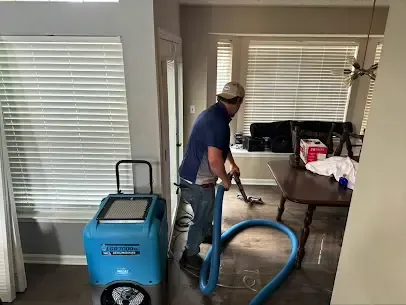
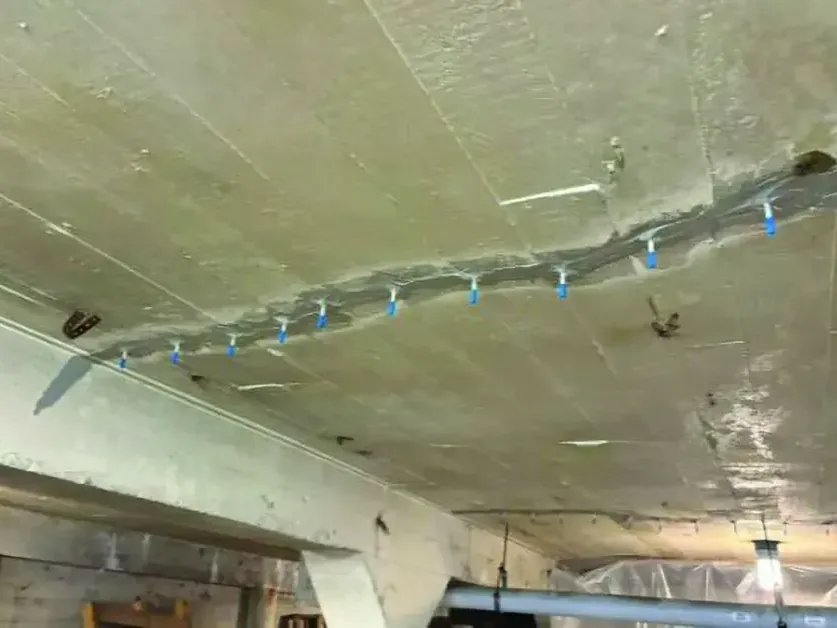
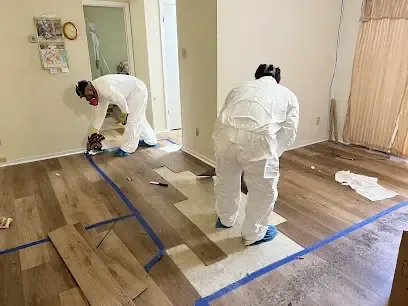
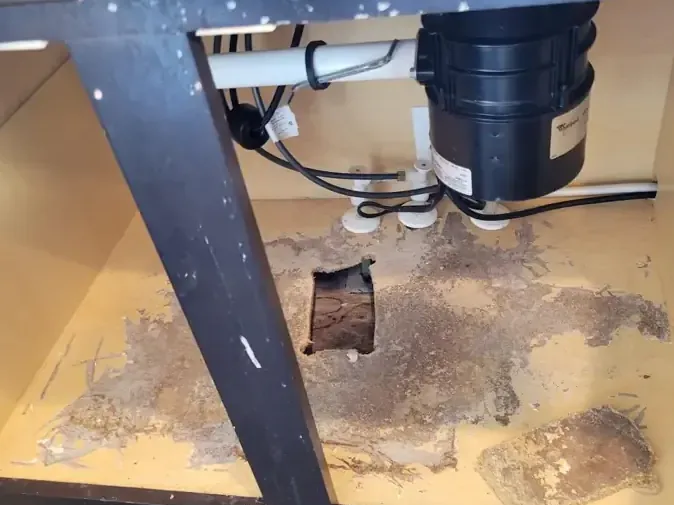
What a structural dry-out looks like from start to finish
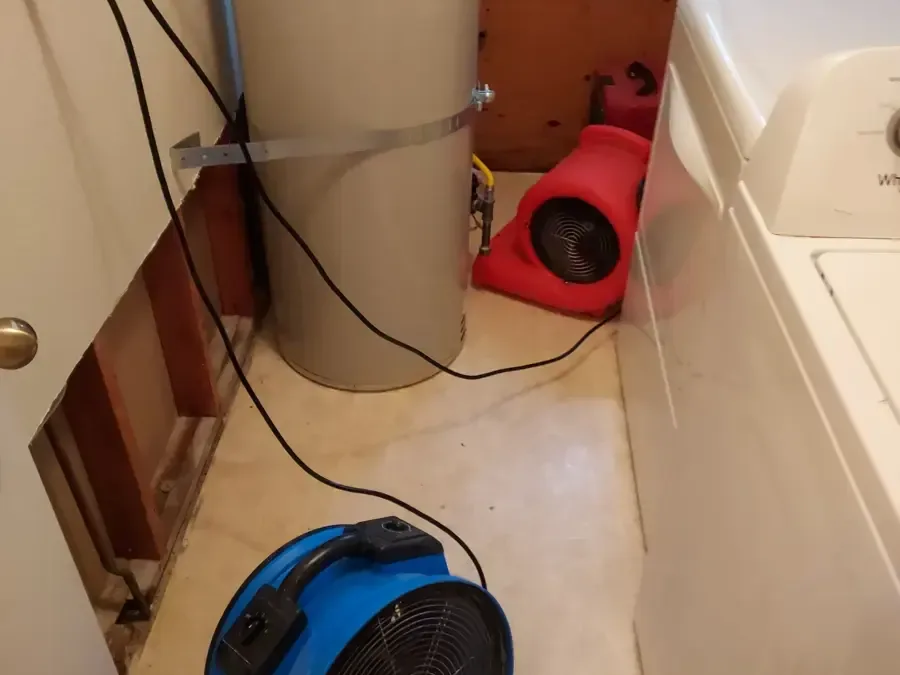
Water damage restoration across Madison and northeast Nashville
Neighborhoods and corridors
Nearby communities
One call puts a drying crew on the road, day or night
The response team covers both ZIP codes from Briley Parkway up to Rivergate and from Dickerson Road over to the river bends, every hour of every day.
Have the source of the water and the rooms it reached ready, because that decides how much equipment goes on the truck.
(888) 849-5796Gallatin Pike to Neelys Bend, get drying startedWater damage in Madison, TN: the local risk profile
The Cumberland River on one edge, cloudbursts that flood streets fast, midcentury brick ranch homes and roughly 71 freezing nights a year at the Nashville airport give water many ways in.
May 1 and 2, 2010
Nashville took 13.57 inches of rain in two days, the Cumberland crested at 51.86 feet, and the Dry Creek wastewater plant here was flooded.
- River and creek flooding. The Cumberland River forms one edge of the community, and the 2010 flood reached the Dry Creek wastewater plant in the community. Floodwater is Category 3 from the start, so soaked drywall and carpet come out.
- Flash flooding on the pike. In July 2026 a cloudburst sent water across part of Gallatin Pike, trapped people inside a restaurant and opened a sinkhole on Pierce Road. Low lots and garages take the runoff first.
- Storm and tornado roofs. The December 9, 2023 tornado hit this part of north Nashville hard. Torn shingles and flashing let rain soak attic insulation and ceilings for days before anyone sees a stain.
- Freeze nights. Nashville averages about 71 nights a year below freezing. Supply pipes in crawl spaces, exterior walls and garages split in a hard cold snap, then leak once they thaw.
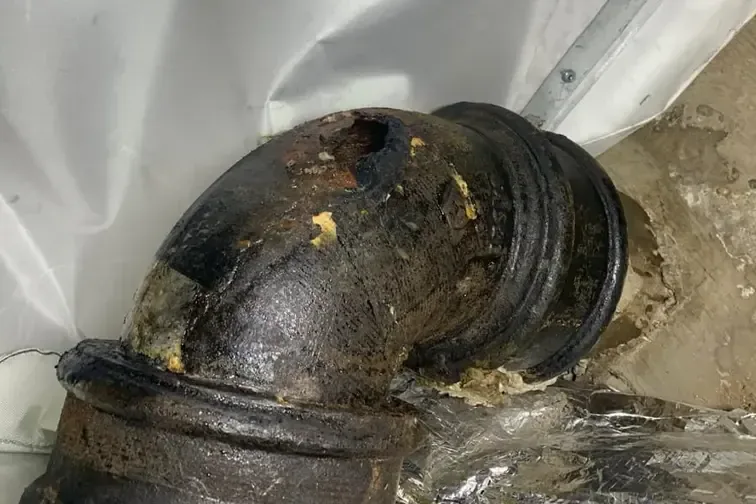
- Midcentury plumbing. Marlin Meadows ranch homes went up mostly between 1952 and 1959. Houses of that age can still carry original galvanized supply pipe and cast iron drains that rust from the inside.
Madison water damage questions, answered
How fast can water damage help start?
Dispatch runs 24/7 across both ZIP codes and northeast Nashville, and active water is treated as urgent at any hour, holidays included. Water keeps moving into pad, drywall and subfloor while it sits, so the first call matters more than the first repair.
What should I do while the water is still spreading?
If it is safe, close the main shutoff and turn off breakers to wet rooms from a dry panel. Stay out of standing water near outlets, photograph the damage before moving anything, and lift rugs and valuables off the floor. Then call so extraction can start.
Does homeowners insurance cover water damage?
A sudden, accidental loss such as a burst supply pipe is commonly covered after the deductible. Floodwater from the river or a creek usually needs a separate flood policy, and slow leaks or wear are often excluded. Coverage depends on your policy, so check with your own insurer.
What causes most water damage in this area?
Creek and river flooding after heavy rain, wind-driven rain through storm-damaged roofs, pipes that split in crawl spaces on hard winter nights, and aging supply and drain pipe in midcentury ranch homes. Water heaters and appliance hoses round out the list.
How long does it take to dry a house?
A contained Class 1 loss in one room with low-porosity materials often dries in three to five days. Hardwood, plaster, concrete and particleboard take longer. Equipment comes out when readings are within 2 to 4 points of a dry reference, not on a set date.
What is the IICRC S500 standard?
IICRC S500 is the industry standard for water damage restoration. It sets how a loss is classified by category and class, how drying is set up and monitored, and how the drying goal is verified with meters before the equipment is removed.
When does wet drywall have to come out?
Drywall comes out when it has swollen or crumbled, when readings stay high after drying, or when Category 3 water such as sewage or floodwater touched it. Drywall soaked by clean water and caught early is often dried in place with wall cavity drying.
Why is sewage handled differently from other water?
Sewage is Category 3 the moment it backs up. The area is contained, crews wear protective gear, porous materials it touched are removed rather than dried, and surfaces are cleaned and treated with an EPA-registered antimicrobial before drying begins.
How is the cost of water damage worked out?
The main drivers are the water category, the square footage that got wet, the material class, whether flooring and drywall must come out, and how many days the drying runs. Drying started early keeps a loss at the low end of the range.
What if water got into the crawl space?
Standing water under a raised floor is pumped out, soaked insulation and vapor barrier are pulled, and the joists and sill plate are dried with dehumidifiers until readings match a dry reference. Left alone, that moisture rises into the floor above.
Water still on the floor? Shut off the source if you can, keep clear of wet outlets, and the response team can walk the household through the next steps on the phone.
(888) 849-5796Ask how the dry-out runsWater in the house tonight? Get the dry-out started now.
Every hour of standing water pushes it deeper into pad, drywall and subfloor. Extraction, drying and documentation run around the clock.