Water Damage Restoration Oak Hill, TN
Oak Hill is a Davidson County city of 4,891 residents at the 2020 census, and when a pipe, a roof or a storm sends water inside, the restoration team extracts it and dries the structure.
(888) 849-5796Call for water removal nowServing ZIP code 37220 for burst pipes, storm water, leaks and sewage backups in homes, schools and shops across the city.
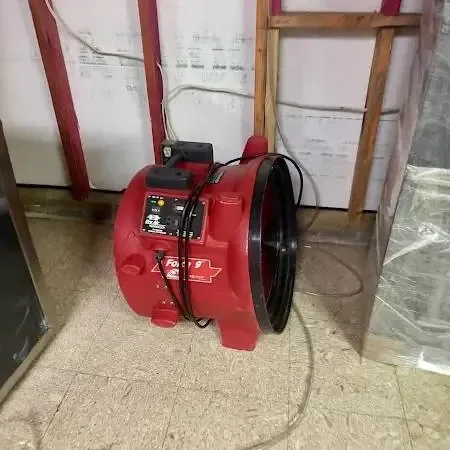
What to do right after water shows up
- 1
Stop the source
If it is safe, close the main shutoff or the valve to the leaking fixture, and switch off power to wet rooms before stepping in.
- 2
Call the restoration team
Say what is wet and how it started, so the right pumps, meters and dryers are ready for the job.
- 3
Photograph everything
Take wide and close photos of wet floors, walls and belongings before moving anything, since they support an insurance claim.
- 4
Water comes out
Extraction removes standing water first, then soaked flooring and drywall that cannot dry in place are cut out.
- 5
Drying is monitored
Equipment is set and moisture readings are logged until framing, drywall and subfloor reach their dry targets.
Every kind of water loss, handled start to finish
From a flooded garage to a cracked supply pipe behind a wall, each service below follows one order: stop the source, remove the water, then dry and monitor the structure.
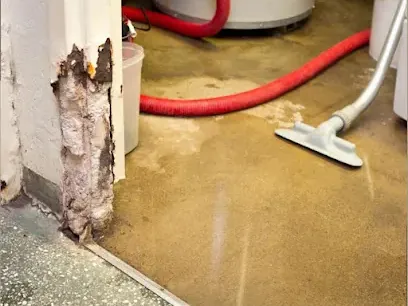 Water Extraction and RemovalPumps and wands pull standing water off floors and out of low spots before drying begins.See the service
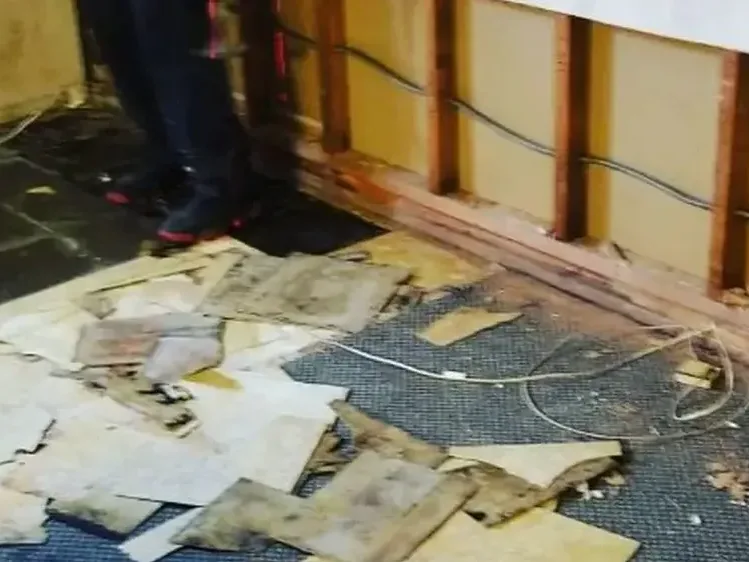 Flood and Flash Flood CleanupHeavy rain inside a building needs water removal, debris cleanup and a complete dry out.See the service
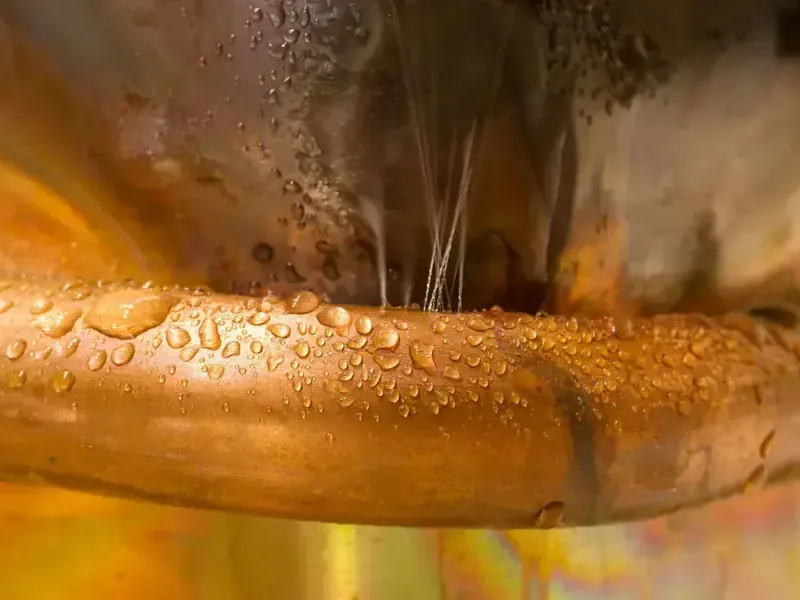 Burst Pipe Water DamageA split supply pipe can soak a wall, a ceiling and the room below, so the water is shut off and the wet area opened.See the service
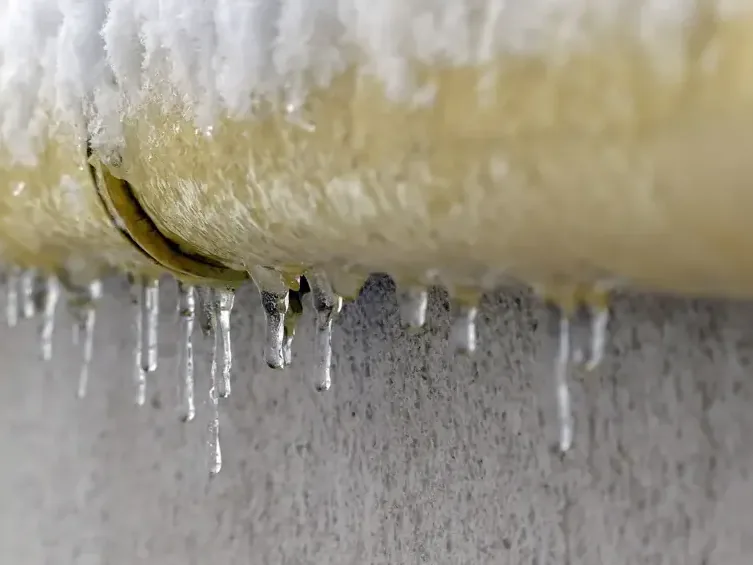 Frozen Pipe Water DamagePipes cracked by a freeze often show themselves only after the thaw, when water moves through the walls.See the service
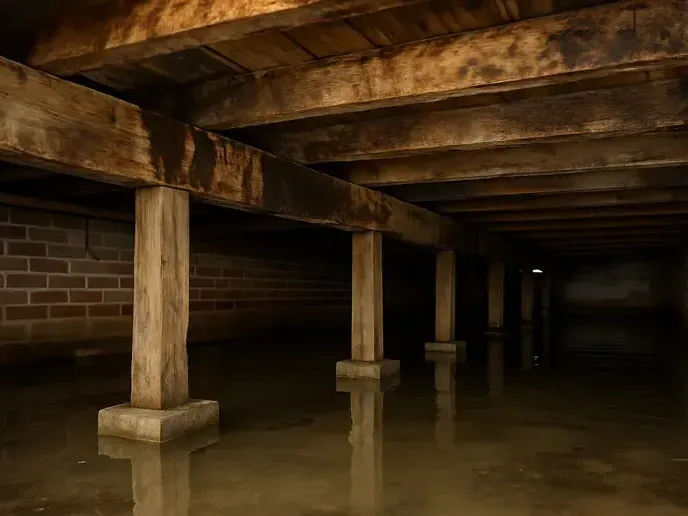 Crawl Space Water RemovalWater under a raised floor is pumped out, soaked insulation comes out and the framing is dried where it stands.See the service
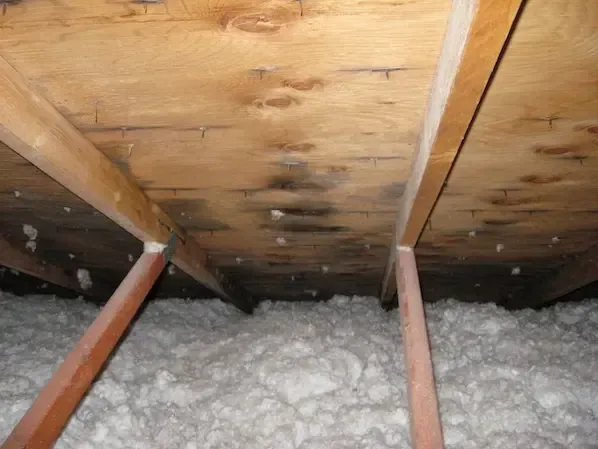 Roof Leak Water DamageStorm rain that gets past shingles or flashing wets insulation and ceilings, so each soaked layer is found and dried.See the service
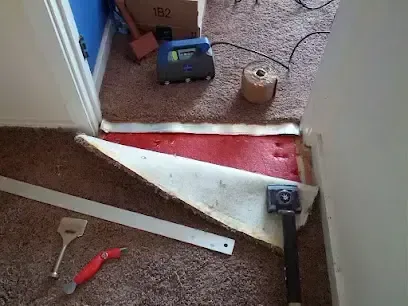 Slab Leak Water DamageA leak in a pipe under the concrete floor shows up as warm spots or damp flooring, and the wet area is dried once located.See the service
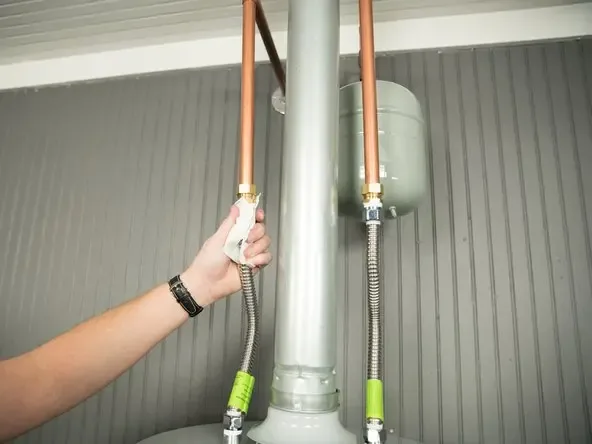 Water Heater Leak CleanupA leaking tank or failed hose can flood a closet or hallway, and cleanup follows the water into the floor.See the service
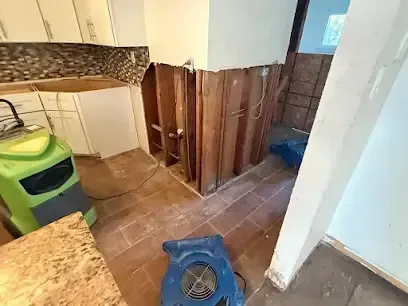 Appliance Leak Water DamageWashers, dishwashers and refrigerator supply hoses leak slowly behind cabinets, so the drying includes the subfloor and wall base.See the service
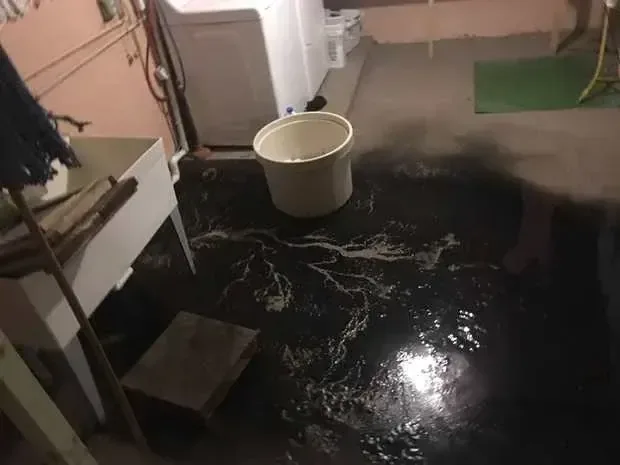 Sewage Backup CleanupSewage in a bathroom or laundry area is removed, surfaces are cleaned and sanitized and soaked porous materials are discarded.See the service
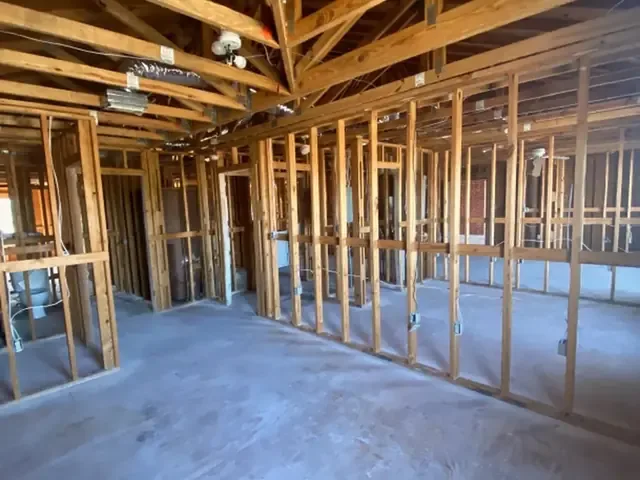 Structural DryingAir movers and dehumidifiers dry wet framing, drywall and subfloor while moisture readings confirm each stage of progress.See the service
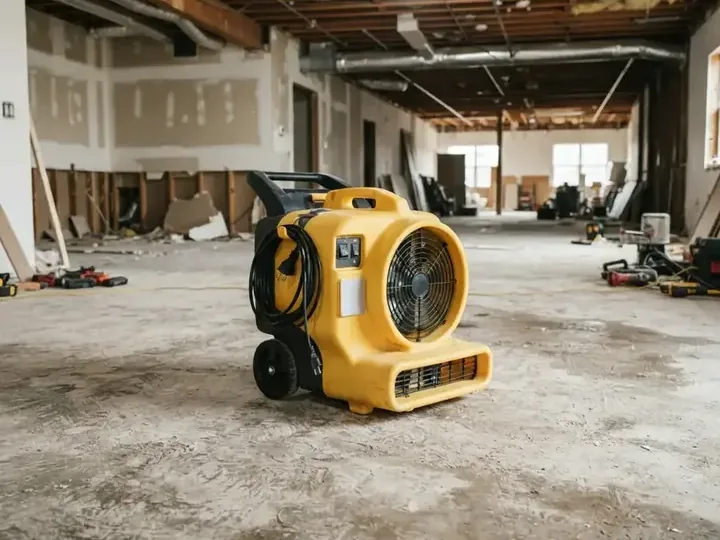 Commercial Water DamageOffices, shops and school buildings get water removal in stages, so rooms still in use stay open.See the service
Unsure which service fits the damage?Say where the water started and which rooms it reached, and dispatch matches the crew and the equipment to the job.(888) 849-5796
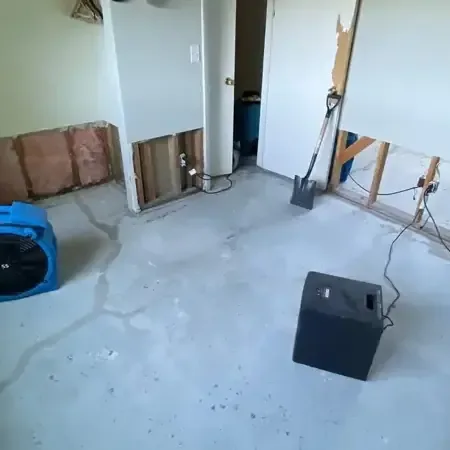
Water damage work that follows the moisture, not a schedule
Water damage in Oak Hill ranges from a small appliance leak to flooding after a storm. Each job starts with extraction and moisture readings, so equipment goes where the water actually traveled instead of where it merely looks wet.
- Water removal comes first. Standing water is extracted before drying begins, because wet floors and low spots slow every later step if they are left behind.
- Moisture mapped, not guessed. Meters and thermal readings show where water traveled behind walls and under flooring, so the dry out covers the whole wet area.
- Equipment sized to the loss. Dryers are matched to the room volume and the material type instead of being set up the same way in every house.
- Water and sewage losses only. The work stays inside water, flood and sewage damage, so the gear, protective equipment and procedures fit that trade.
A dry structure is one the meters confirm
Wet materials are measured before, during and after the dry out, so a room is released only when readings match the dry reference for that material, and the final numbers are recorded.
- 1
Assess the loss
The team traces the source, sorts the water by how clean it is and maps wet walls, floors and ceilings with moisture meters.
- 2
Remove and contain
Standing water is extracted, ruined materials are cut out and plastic sheeting keeps wet or dirty areas from spreading further.
- 3
Dry and monitor
Air movers and dehumidifiers are placed to suit the room and material, with readings taken at every visit to the job.
- 4
Verify and document
Final readings are compared with dry reference points, and the log is saved for the homeowner and the adjuster.
The equipment behind a measured dry-out
- Truck-mounted extraction pulls standing water out of the building fast.
- Thermal imaging and pin and pinless meters find water behind walls and under floors.
- Air movers are set to each room's evaporation load, not a fixed count.
- LGR dehumidifiers, and desiccant units for Class 4 materials, pull the moisture out of the air.
What water damage restoration usually costs
Restoration here generally costs from about $1,000 for one contained area to $14,000 or more when dense materials are soaked, and the final price follows how far the water spread and how long it sat.
One contained area
$1,000 to $3,000- Class 1 or 2 drying
- Water caught early
- Daily readings
Several rooms
$3,000 to $7,000- Class 3 structural drying
- Wet drywall removed
- Equipment running for days
Dense materials
$7,000 to $14,000+- Class 4 drying
- Hardwood and concrete floors
- Longer monitoring period
Pricing depends on the water type, the area affected and the materials involved. The cost calculator gives a range that fits a specific situation.
Three common sources of indoor water damage
Burst and cracked pipes
A split supply pipe can soak a wall, a ceiling and the floor below before anyone notices, so the water is shut off and the wet area opened.
Burst pipe cleanup detailsAppliance leaks
Washers, dishwashers and refrigerator hoses drip behind cabinets and walls, and the wet subfloor beneath them often goes unseen for weeks.
Appliance leak cleanup detailsSewage backups
Sewage in a bathroom or laundry area is a contamination problem, so the space is sealed, cleaned and sanitized and soaked porous materials are discarded.
Sewage backup cleanup detailsClaim records that hold up
Many homeowner and business policies cover sudden water damage, and a clear record of the cause, the wet areas and the drying steps helps the claim move along.
- Date, time and cause of the loss
- Photos of every wet room and item
- Moisture readings and daily drying logs
- A list of damaged belongings and furniture
- Receipts for every emergency repair
Before you file anything
Call the insurance agent early to report the loss, but do not hold off on water removal while waiting, because delay lets the damage spread.
Photograph damaged items before they are moved, keep every receipt, and ask the adjuster before discarding anything large.
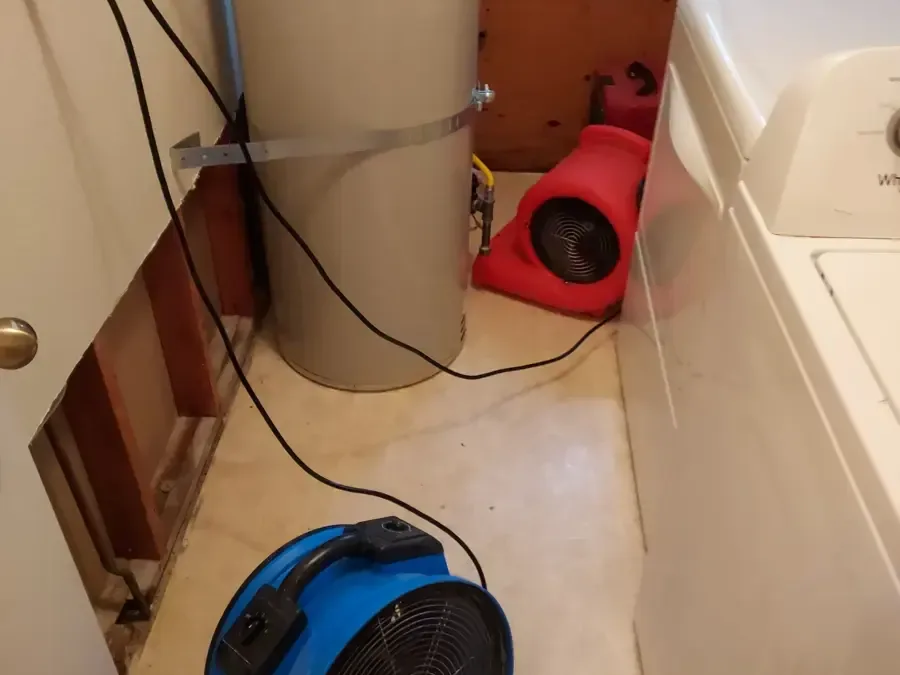
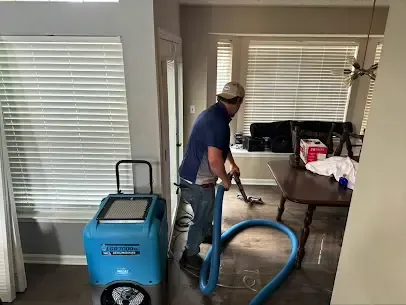
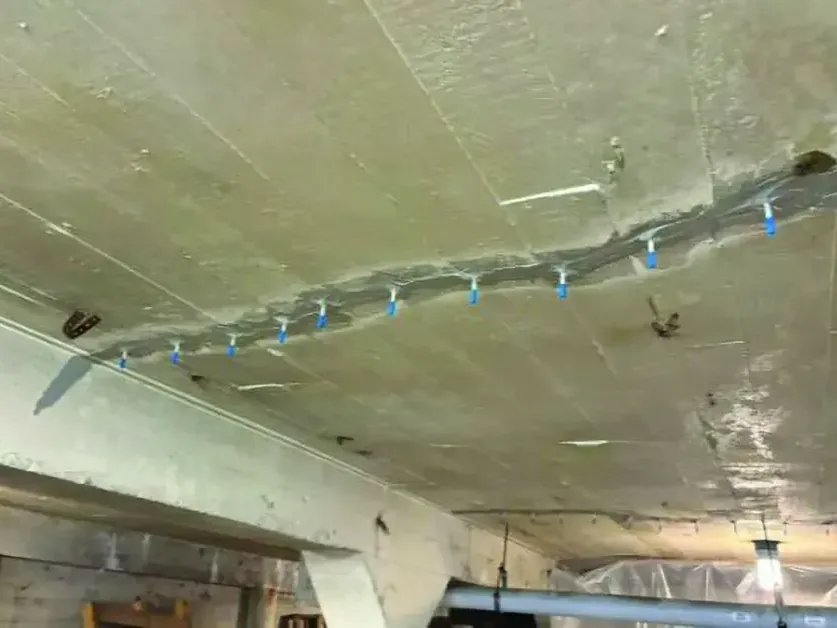
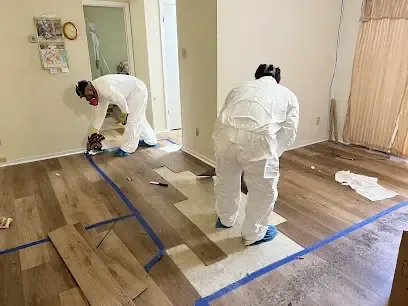
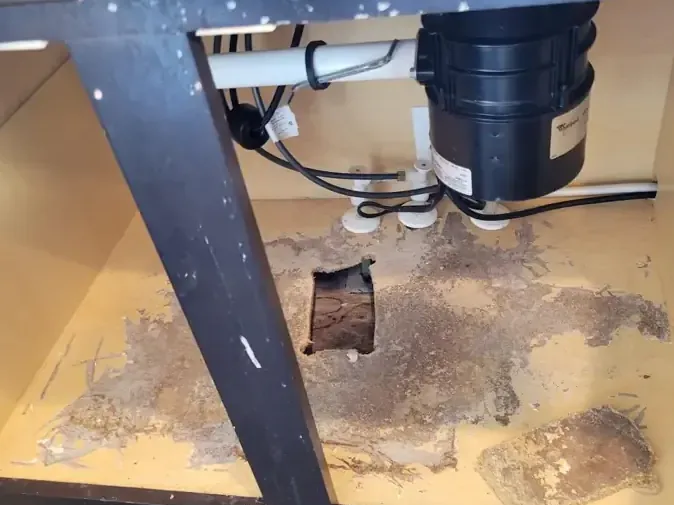
How a water loss looks while the dry out is underway
Water damage restoration across all of Oak Hill
Places and roads served
Nearby communities
Water in a house, school or shop? Reach the restoration team
The restoration team covers the whole city, including Franklin Pike, Otter Creek Road and the streets around Radnor Lake, for homes, schools and commercial buildings.
Every address gets the same method: water out first, then drying checked with meters until the readings are dry.
(888) 849-5796Call the drying team nowWhere local water losses tend to start
Water losses here usually trace to storm rain, freeze and thaw swings that stress pipes, or an ordinary leak inside the house, and each one calls for a different first move.
March 28, 2021
Radnor Lake flooded after over 10 inches of rain in 3 days, reaching four park facilities: a ranger residence, the visitor center, the education center and the maintenance shop.
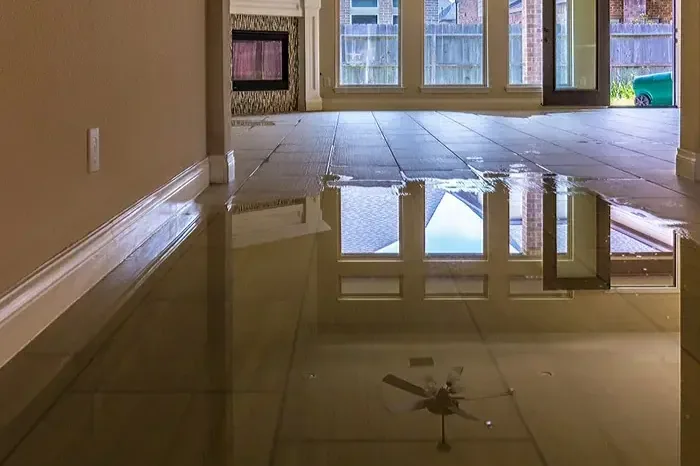
- Heavy rain inside buildings. In March 2021, over 10 inches of rain in 3 days flooded four facilities at Radnor Lake State Park, most of which lies in Oak Hill, and the water had to be cleared before repairs began.
- Freeze and thaw breaks. Warmer temperatures after a freeze can reveal residential pipes that broke while frozen, and Nashville had nearly two dozen active and possible water main breaks on December 28, 2022.
- Sewage equipment and rain. Heavy rain can reach sewage equipment too: after the March 2021 flooding, the Radnor Lake visitor center restrooms closed while septic pumps were replaced and portable toilets were provided.
- Pressure near main breaks. Near a water main break, homeowners and business owners can have low water pressure, and a sudden change is worth checking for a hidden leak inside the building.
- Everyday indoor leaks. Oak Hill had 1,874 housing units at the 2020 census, and any home with a water heater, washer or dishwasher can leak without a storm or a freeze.
Oak Hill water damage questions
How much does water damage restoration cost in Oak Hill?
Costs follow the size of the loss: about $1,000 to $3,000 for one contained area, $3,000 to $7,000 for several rooms and $7,000 to $14,000 or more for dense materials. The cost calculator gives a closer estimate.
What should I do first when a pipe bursts?
Shut off the main water valve, switch off power to the wet area if that is safe, and move valuables out of the water. Then call the restoration team so extraction can begin before the water soaks any deeper.
How quickly can water damage turn into mold?
Mold can start growing on wet materials within 24 to 48 hours, which is why extraction and drying begin as early as possible. Materials that stay wet longer are more likely to need removal.
Does insurance cover water damage in a house?
Many policies cover sudden losses such as a burst pipe or a failed water heater, while slow seepage over a long period is often excluded. The adjuster decides coverage, so photos and drying logs matter.
Can wet drywall and flooring be saved?
Clean water caught early often lets drywall and some flooring dry in place. Sewage contact or long soaking usually means porous materials are cut out and replaced, and the moisture meter settles each case.
What happens when pipes thaw after a freeze?
Warmer temperatures after a freeze can reveal residential pipes that broke while frozen, so water may appear only after the thaw. Shut off the supply and call for extraction and drying as soon as the leak is found.
Does the team clean up sewage backups?
Yes. Sewage is treated as contaminated water, so the area is contained, the water is extracted, surfaces are cleaned and sanitized and porous materials that soaked it up are discarded. The drying that follows uses the same meters and targets as any other job.
How does structural drying work?
Air movers push dry air across wet surfaces while dehumidifiers pull moisture out of the room. Meter readings are taken at each visit, and the equipment stays until the framing, drywall and subfloor reach their dry targets. The final readings are recorded for the homeowner.
Does the team work on commercial buildings?
Yes. Offices, shops, schools and other commercial buildings get the same extraction and drying, usually staged room by room so the part of the building still in use can stay open.
Which parts of the city does the team cover?
The whole city is covered, including ZIP code 37220, Franklin Pike, Otter Creek Road and the area around Radnor Lake. Homes, schools and commercial buildings are all inside the service area.
Something else wet or leaking? The restoration team can talk through any water, flood or sewage situation and explain what extraction and drying would involve for that building.
(888) 849-5796Call about the situationWater inside the building? Start the dry out before it spreads
Water keeps moving into floors and walls until it is removed, so a prompt call keeps the tear out smaller and the final cost lower.