Structural Drying in Madison, TN
Structural drying in Madison homes dries the framing, subfloor, plaster and concrete, not just the surface. The drying team sizes air movers and dehumidifiers to each room, logs readings daily and removes equipment only when the materials read dry.
(888) 849-5796Walls still wet after the cleanup? Dry the framing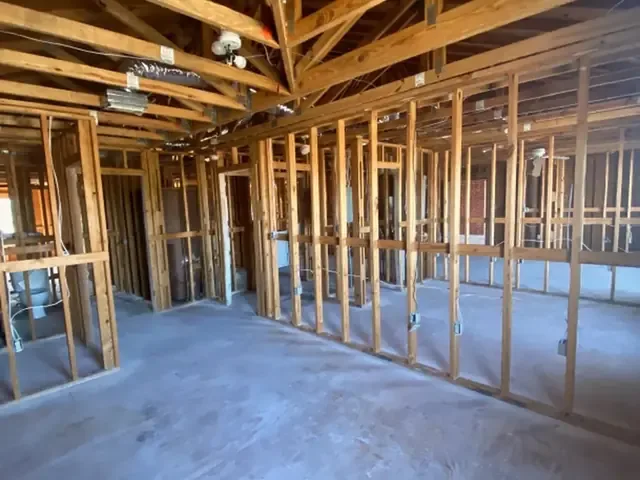
What does structural drying cost in Madison, TN?
Structural drying typically runs $1,000 to $14,000 or more. The class of loss, the square footage, the materials involved and how many days the equipment runs set the cost; hardwood, plaster and concrete take the longest.
Class 1 or 2, one area
$1,000 to $3,000- A few air movers
- One dehumidifier
- Daily readings
Class 3, several rooms
$3,000 to $7,000- Walls, ceilings and floors
- Multiple LGR units
- Wall cavity drying
Class 4, dense materials
$7,000 to $14,000+- Hardwood, plaster or slab
- Desiccant drying
- Extended monitoring
Ranges are typical, not a quote: water category, square footage, material class and how fast drying started move the number most. Try the water damage cost calculator for a closer planning range.
What to do first when structural drying starts
Remove standing water
Extraction comes first, so drying does not chase puddles.
Keep the room closed
Open windows let humid outdoor air in and slow drying.
Leave equipment running
Turning units off at night adds days to the job.
Keep the logs
Ask for the daily readings for the insurance file.
How structural drying is handled, step by step
- 1
Measure
Map moisture and take a dry reference.
- 2
Set
Air movers and dehumidifiers sized to each room.
- 3
Log
Daily moisture and psychrometric readings.
- 4
Verify
Equipment out when the goal is met.
A floor can look dry in a day while the framing behind the wall is still soaked. Structural drying is the work of getting the materials inside the building back to normal, measured with meters instead of judged by touch.
How structural drying works
The tech maps moisture in every wet material and takes a dry reference reading from an unaffected area. The drying team then closes the room, sets air movers to move air across wet surfaces and runs LGR dehumidifiers to pull that moisture out of the air. Wall cavities get directed air through small holes at the base.
The class of loss sets the equipment
- Class 1: one area, low-porosity materials, little equipment
- Class 2: a whole room, carpet and lower walls
- Class 3: ceilings, walls and floors saturated
- Class 4: hardwood, plaster and concrete that need desiccant drying
When the drying is finished
Readings are logged every day. When wet materials sit within 2 to 4 points of the dry reference, the equipment comes out and the log goes into the claim file. Midcentury homes with plaster walls and hardwood floors usually take longer than newer drywall homes. Estimate a timeline with the drying time estimator.
Outside references: Ready.gov flood safety and Tennessee Department of Commerce and Insurance.
- Water category and class of loss set on day one
- Moisture map and dry reference readings before drying
- Daily moisture and psychrometric logs
- Equipment out only when readings are within 2 to 4 points of dry
Walls or floors still wet? The drying team sets equipment 24/7.
(888) 849-5796Get the drying equipment setStructural Drying in Madison: common questions
How long does structural drying take?
Three to five days is common for drywall and carpet. Hardwood, plaster and concrete can take a week or more.
Why does structural drying equipment run all night?
Drying works around the clock. Shutting units off at night lets moisture settle back into the materials and adds days.
Can I open windows to help structural drying?
Usually not. Humid outdoor air slows drying. The drying team controls the room air for the fastest result.
What is a dry reference in structural drying?
A reading from the same material in an unaffected area. Drying is done when wet materials come within 2 to 4 points of it.
Is structural drying loud?
Air movers are noisy, and the noise drops as units come out when areas read dry.
Related water damage services
Structural drying across Madison and northeast Nashville
Madison Water Damage Restoration covers ZIP 37115 and 37116, from the historic downtown and Amqui Station along Gallatin Pike to Rivergate and the Motor Mile, out to Marlin Meadows, Neelys Bend Road, Dickerson Road and Old Hickory Boulevard.
Nearby coverage reaches Inglewood, East Nashville, Old Hickory, Goodlettsville, Hendersonville, Whites Creek.
Still damp after the water is gone? Dry the structure now.
Water inside walls and subfloors keeps causing damage until it is measured and dried. The readings decide when the job is done.