Water Damage Restoration Ridgetop, TN
24/7 water damage restoration in Ridgetop, TN, on the edge of the Highland Rim: extraction crews lift out standing water, drying teams bring framing and floors back to the IICRC S500 goal, and each reading lands in the claim file.
(888) 849-5796Storm water inside on the ridge? Start extractionWater and sewage losses only. Typical price ranges appear lower on the page; the firm number comes after the walkthrough.
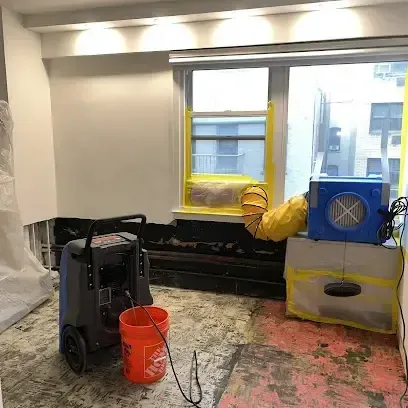
The first hour after water gets inside: what helps most
- 1
Smell gas? Leave first
If a leaking water heater runs on gas and the air smells of gas, get everyone outside and call the city gas emergency number or 911.
- 2
Stop the water
Turn the main shutoff or the valve behind the fixture so the leak stops adding to the damage.
- 3
Mind the electricity
Only flip breakers for wet rooms if the panel itself is dry, and stay clear of outlets, cords and puddles.
- 4
Take pictures
Shoot wide views and close-ups of the water, the stains and damaged belongings before anything is moved.
- 5
Get the water out
Prompt extraction keeps drywall and subfloor salvageable within the 24 to 48 hour window before growth starts.
Water Damage Services for Ridgetop Homes
Each service on this list involves water or sewage: roofs opened by storms, rain that pours in overnight, split pipes, slab leaks, failed tanks and hoses, and sewer backups.
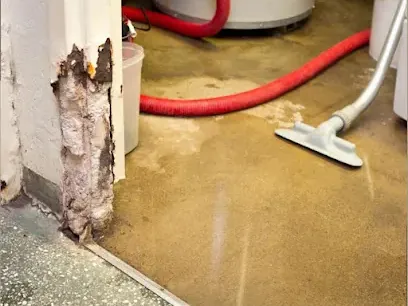 Water Extraction and RemovalPortable and truck-mounted extractors clear the floor before pad, drywall and framing can wick the water up.See the service
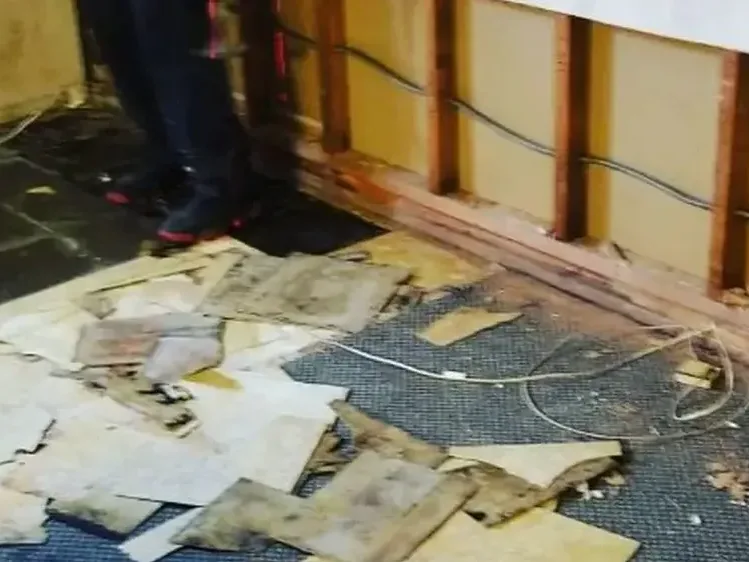 Flood and Flash Flood CleanupOutside water that rises indoors is Category 3: it gets extracted, cut out above the line, treated and then dried.See the service
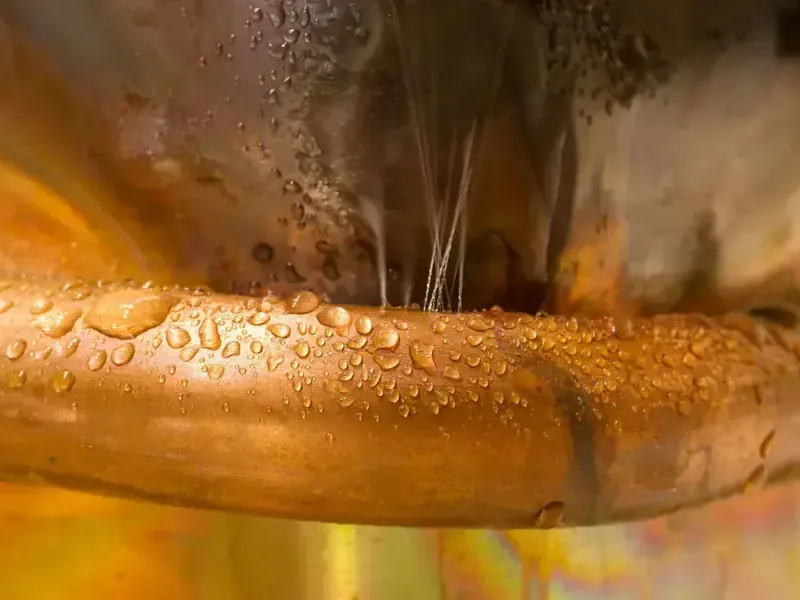 Burst Pipe Water DamageWhen a supply pipe or fitting lets go, the water comes out and every soaked wall and ceiling bay gets dried.See the service
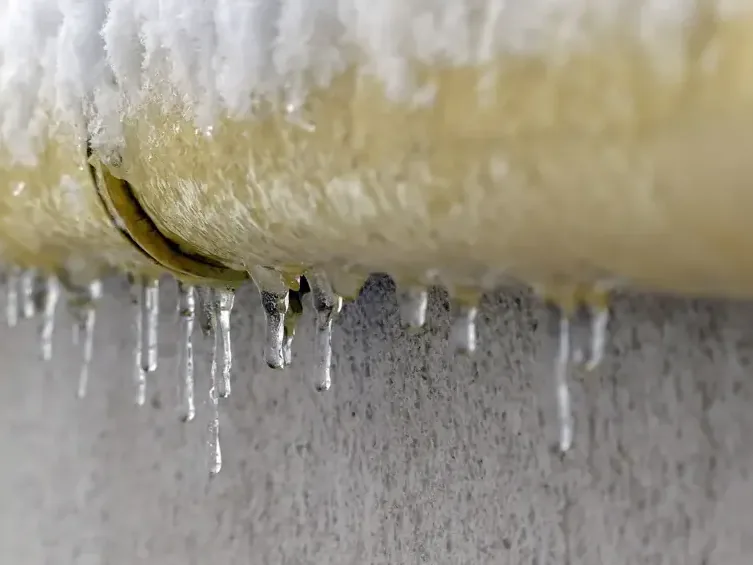 Frozen Pipe Water DamageA pipe that splits in a cold snap leaks after the thaw; the walls, floors and ceilings it reached get dried.See the service
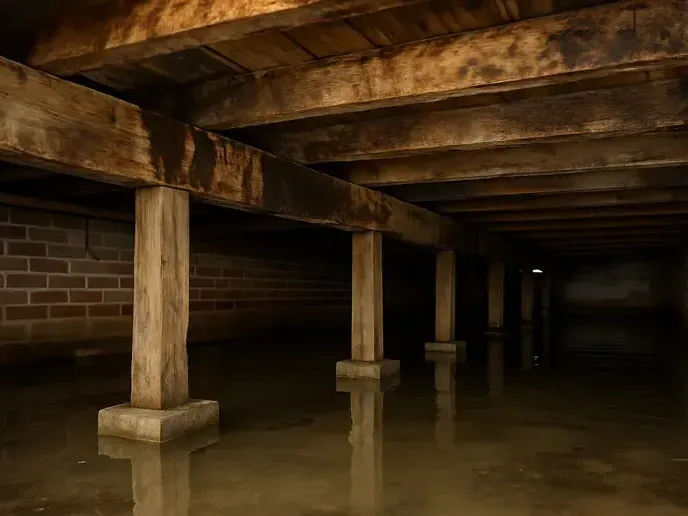 Crawl Space Water RemovalIf water turns up under a raised floor, it is pumped out, wet insulation comes down and the joists dry.See the service
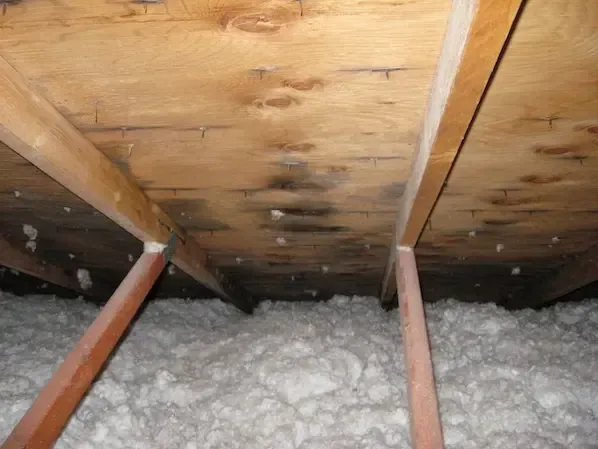 Roof Leak Water DamageLimbs and wind open roofs to rain; soaked attic insulation comes out and ceilings are dried where they hold.See the service
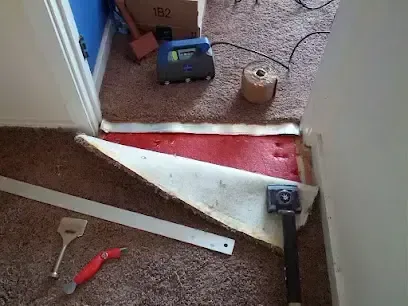 Slab Leak Water DamageMoisture mapping traces a leak under the concrete, flooring over it comes up, and the slab is dried.See the service
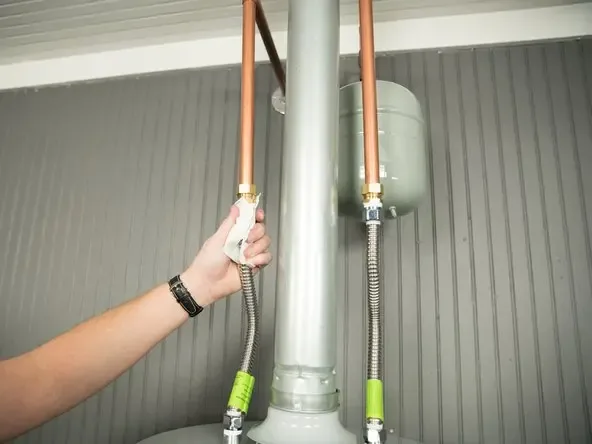 Water Heater Leak CleanupA failed tank or relief valve floods a closet or garage; the water is pulled before trim and carpet soak it up.See the service
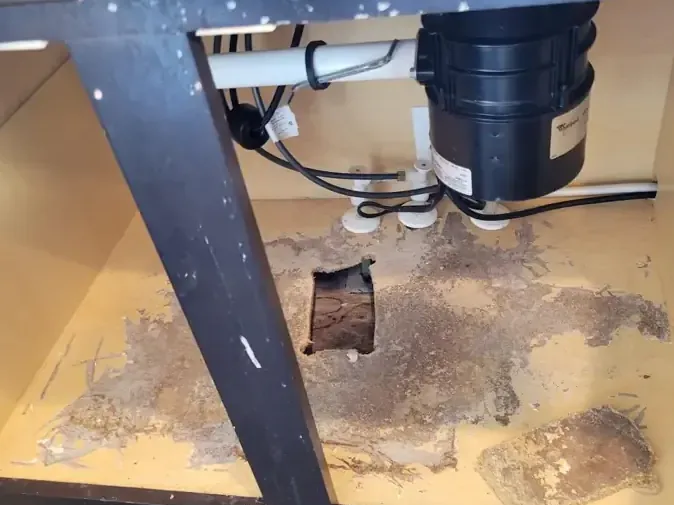
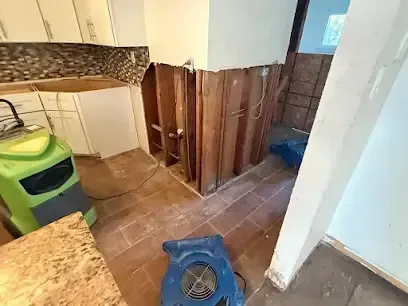 Appliance Leak Water DamageWasher hoses, dishwasher supplies and fridge lines leak into cabinets and flooring; both get dried down to the subfloor.See the service
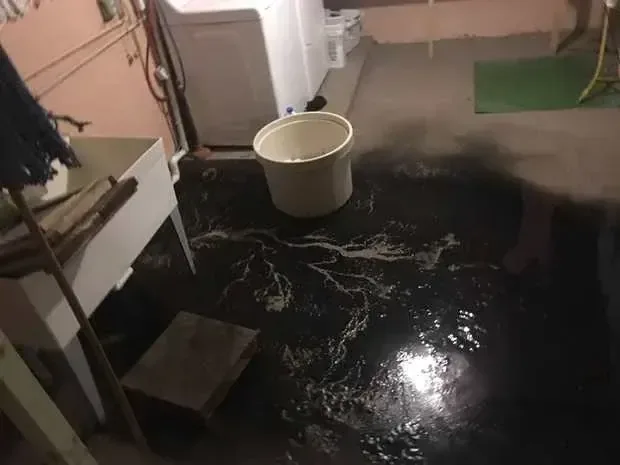 Sewage Backup CleanupBackups from toilets, tubs and floor drains count as Category 3 from the start and are handled that way.See the service
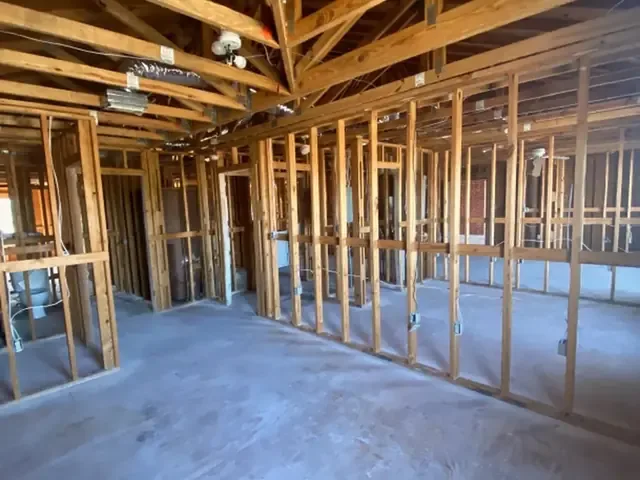 Structural DryingStuds, subfloor, plaster and concrete stay under drying gear until meters read within 2 to 4 points of dry.See the service
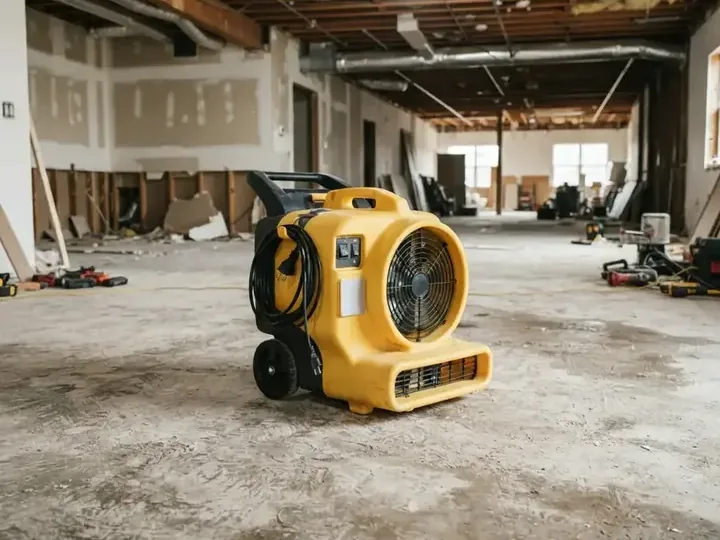 Commercial Water DamageHalls, event spaces and small shops dry in sections, so dry parts keep operating when safe.See the service
Unsure which service fits the damage?Say where the water started and which rooms it reached, and dispatch matches the crew and the equipment to the job.(888) 849-5796
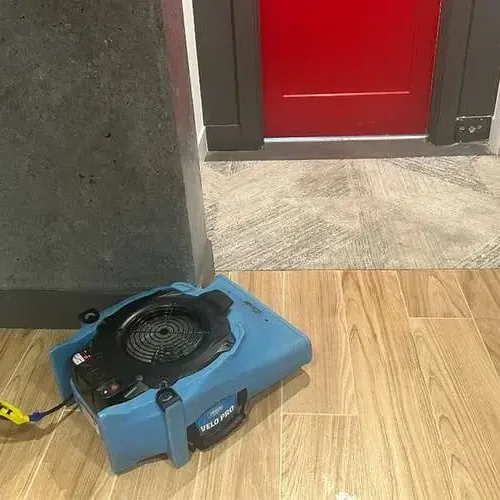
Water damage pros who measure the structure before drying it
The housing count in Ridgetop more than doubled between 2000 and 2020, from 399 units to 898, so the town mixes older homes with many newer ones. Water hides differently in each, behind walls, under floors and above ceilings, until a meter finds it.
- Dispatch at any hour. Crews go out 24/7 on either side of the county line, and water that is still spreading moves to the front of the queue.
- Meters before machines. Thermal cameras plus pin and pinless meters show which walls, floors and joists are wet before an air mover goes down.
- Sorted by category and class. Clean, gray and black water each get their own handling, and the class of loss decides how much equipment the house needs.
- A file an adjuster can trust. From the first visit to the last dry reading, the file collects moisture maps, daily drying logs and timestamped photos.
Water damage dried to the IICRC S500 standard
A dry-out can look finished days before it really is. Logging every step below means the meter readings, never a date picked in advance, decide when the fans and dehumidifiers finally leave the house.
- 1
Follow the water
On the walkthrough, the tech tracks moisture with a thermal camera and meters and marks every wet area on a sketch before anything moves.
- 2
Lift it out
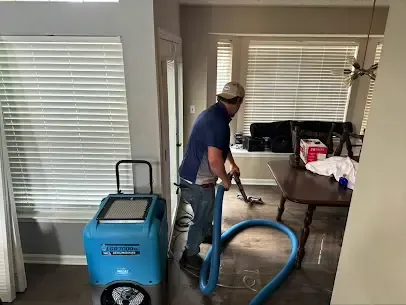
Using truck-mounted extractors, the crew pulls the standing water out of the house before it can sink further into the structure.
- 3
Place the drying gear
Each room gets air movers and LGR dehumidifiers sized to its load, running day and night with doors and windows kept shut.
- 4
Measure until dry
Daily readings continue until the wet materials sit within 2 to 4 points of a dry reference; only then does the gear come out.
The equipment behind a measured dry-out
- Truck-mounted extraction pulls standing water out of the building fast.
- Thermal imaging and pin and pinless meters find water behind walls and under floors.
- Air movers are set to each room's evaporation load, not a fixed count.
- LGR dehumidifiers, and desiccant units for Class 4 materials, pull the moisture out of the air.
What does water damage restoration cost in Ridgetop, TN?
A water loss here usually costs $1,000 to $14,000 or more to dry and restore. What moves the price most is the water category, how many square feet got wet, the material class and how soon the drying began, plus any flooring or drywall that must go.
Small, one area
$1,000 to $3,000- Clean water caught early
- Drying in place
- Daily moisture readings
Several rooms
$3,000 to $7,000- Leak water that spread
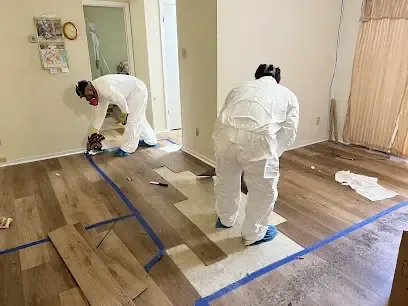
- Flooring or lower drywall out
- Air movers and LGR dehumidifiers
Major or contaminated
$7,000 to $14,000+- Storm runoff or sewage
- Containment and tear-out
- Extended structural drying
Treat these as typical ranges, never a quote. For a closer planning figure, run the water damage cost calculator; the restoration company names the firm price after seeing the damage.
Clean, gray or black water, each handled its own way
Clean water from a supply source
A split supply pipe, a leaking tank, a slab leak or a fridge line. It comes up and dries in place before it turns dirty.
Read about burst pipe damageGray water with some contamination
Drain water from a washer or dishwasher, or a toilet overflow with no waste in it. Soaked pad and soft belongings get extra care.
Read about appliance leak damageBlack water from sewage or storms
A sewer backup or storm runoff from outside. The area is sealed off, porous materials go, surfaces are treated, then dried.
Read about sewage cleanupDocumentation made for the claim
Adjusters decide water claims on what the file shows. The restoration team opens that file on day one, so it records what was wet, how wet it was and for how long.
- A moisture map drawn on the first visit
- Daily psychrometric and moisture readings
- Timestamped photos taken before any tear-out
- The water category and class of loss
- A line-item scope of the completed work
Before filing anything
Water that bursts out of a supply pipe is a sudden, accidental loss; storm runoff that rises in from outside is different and usually falls under a separate flood policy.
Gradual leaks and wear are commonly excluded. Every policy differs, so read yours or ask the insurer before any work starts.
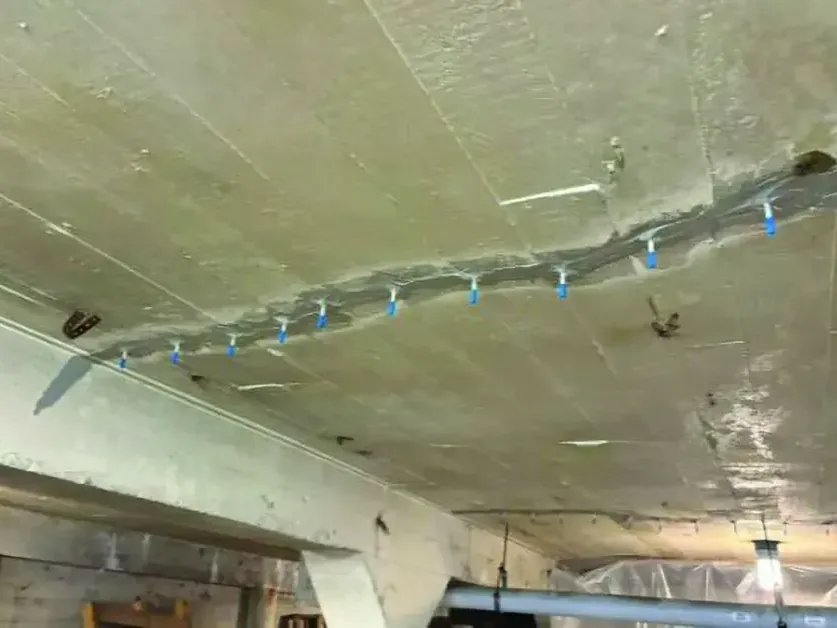
A structural dry-out from the first visit to the final reading
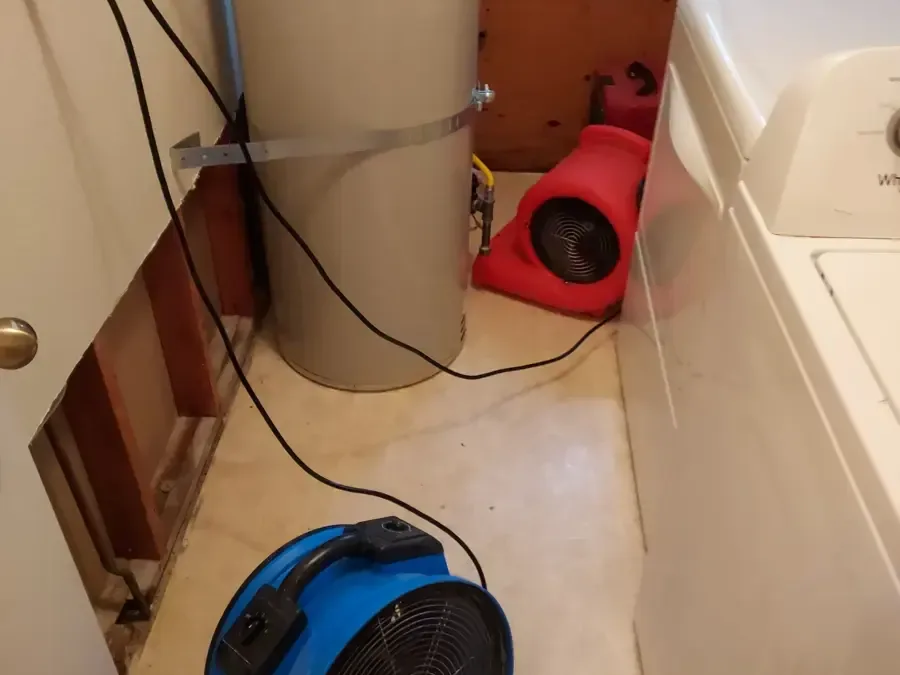
Water damage restoration across Ridgetop and the Highland Rim
Landmarks and roads
Nearby communities
One call sends a drying crew up the ridge, any hour of the day
Crews cover ZIP 37152 on both sides of the Davidson and Robertson county line, from Highland Avenue to the Browns Lake area, around the clock, every day of the year.
Know where the water came from and which rooms it reached, since that tells dispatch how much gear to load.
(888) 849-5796Highland Avenue to Browns Lake, start drying nowWater damage in Ridgetop, TN: the local risk profile
A town on the edge of the Highland Rim, more than 800 feet up, with a fast-growing housing stock, its own city sewer system and a recent tornado nearby gives water several ways inside.
Late April 2026
An EF1 tornado with 95 mph winds touched down at 2:28 a.m. on the Davidson and Robertson county line and snapped hundreds of trees west of Browns Lake.
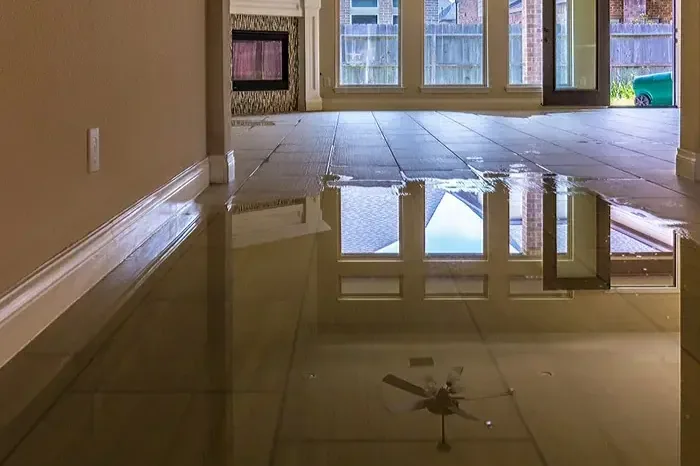
- Storm-torn roofs. That April 2026 tornado also damaged five barns and outbuildings. Falling limbs and lifted shingles let rain into attics, the start of roof leak water damage, where wet insulation keeps the ceiling below soaked long before a stain shows.
- Overnight downpours. Soaking rain fell across Middle Tennessee on the Monday and Tuesday nights of that storm period. Water that comes in overnight sits for hours before anyone sees it, so extraction comes first.
- Regional flooding. In May 2010, heavy rain caused flash and river flooding across Middle Tennessee, with 13.57 inches in Nashville over two days. Any runoff that gets inside is handled as Category 3.
- A city sewer system. The City of Ridgetop runs its own sewer system. A sewage backup is Category 3 from the start, and homeowners can ask the city which part of the pipe is theirs.
- A fast-growing housing stock. Housing units rose from 399 in 2000 to 898 in 2020. Washer hoses, dishwasher supplies and water heaters in all those homes fail quietly, often while no one is home.
Ridgetop water damage questions, answered
How soon can a crew start on water damage?
Crews go out 24/7 across ZIP 37152 on both sides of the county line, and any water that is still moving counts as urgent, holidays included. The longer it sits, the further it travels into pad, drywall and subfloor, which is why the call comes before any repair.
What helps while the water is still spreading?
When it is safe, turn off the main shutoff and kill the breakers for wet rooms from a panel that is dry. Keep out of standing water near outlets, take photos before moving things, and get rugs and valuables up off the floor, then call for extraction.
Does a homeowners policy pay for water damage?
Sudden, accidental water, like a burst supply pipe, is usually covered once the deductible is met. Runoff rising in from outside normally needs its own flood policy, and gradual leaks or wear are often left out. Each policy differs, so confirm with your insurer.
What puts water inside homes around here?
Storms lead the list: the April 2026 tornado snapped hundreds of trees, and falling limbs and wind leave roofs open to rain. Overnight downpours, worn-out water heaters and appliance hoses, and sewer backups follow close behind.
How many days does a house take to dry?
One room with a contained Class 1 loss and low-porosity materials often dries in three to five days. Hardwood, plaster, concrete and particleboard need longer, and so does a slab leak soaking concrete. The gear comes out once readings land within 2 to 4 points of a dry reference, never on a fixed day.
What is IICRC S500, in plain terms?
It is the restoration industry's written standard for water damage. S500 lays out how a loss gets its category and class, how the drying is set up and watched, and how meters confirm the drying goal before any equipment leaves.
When is wet drywall cut out instead of dried?
It comes out if it has swollen or started to crumble, if readings stay high after drying, or if Category 3 water like sewage or storm runoff reached it. Drywall wet with clean water and caught quickly can often stay and be dried in place.
Why is a sewage backup treated so differently?
Sewage counts as Category 3 the moment it comes up. Crews contain the area and wear protective gear, remove porous materials it touched instead of drying them, then clean and apply an EPA-registered antimicrobial before any drying begins.
How does the price of a water loss get set?
It comes down to the water category, how many square feet got wet, the material class, whether flooring and drywall have to come out, and how many days the equipment runs. Starting the drying early keeps the bill toward the bottom of the range.
What if the leaking water heater runs on gas?
Gas safety comes first. If there is any gas smell, leave the house and call the city's gas emergency number or 911. When the gas side is safe, the extraction crew removes the water and the drying team takes care of floors and walls.
Is water still on the floor? If it is safe, shut off the source and keep away from wet outlets; the response team can walk the household through what comes next over the phone.
(888) 849-5796Walk through the dry-out planWater coming in tonight? Start the drying before it spreads further.
Standing water pushes deeper into pad, drywall and subfloor with every hour it sits. Extraction, drying and the claim file all run around the clock.