Water Damage Restoration Belle Meade, TN
Water damage in Belle Meade, a small suburban city in Davidson County, gets extraction first, then structural drying with air movers and dehumidifiers, from supply leaks to creek flooding and sewage backups, any hour.
(888) 849-5796Wet floors, split pipe? Get the drying crew rollingWater and sewage losses only. Cost ranges below are typical, and a firm scope follows the first moisture readings.
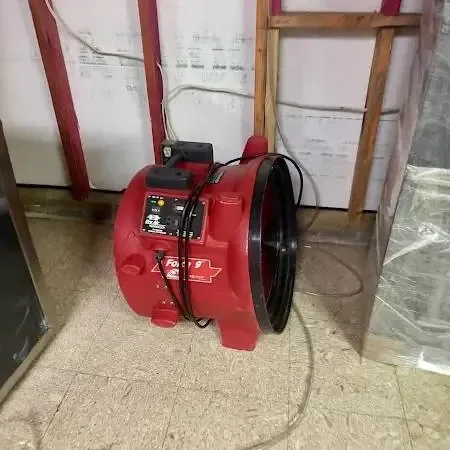
What to do first when water is spreading through the house
- 1
Stop the water source
Close the main shutoff or the valve at the fixture, then leave floodwater alone and stay out of the wet rooms.
- 2
Cut power safely
Switch off breakers for wet rooms from a dry spot, and never touch outlets or cords standing in water.
- 3
Photograph everything
Take photos and short video of the water level, the damaged rooms and the source before anything is moved or thrown out.
- 4
Raise valuables
Move rugs, books and small furniture onto dry, raised surfaces, but leave heavy items alone.
- 5
Call for extraction
The extraction crew is best called early, since wet drywall, pad and wood keep absorbing moisture while water sits.
Water damage services for Belle Meade homes
Twelve kinds of water loss that reach local homes, from a split supply pipe to creek water in the garage, each with its own process, typical cost range and drying plan.
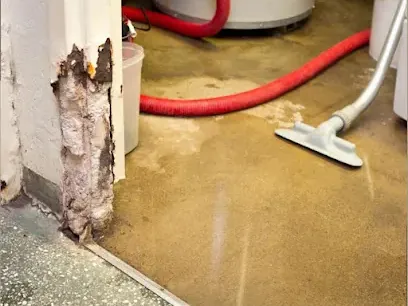 Water Extraction and RemovalPumps and extraction wands pull standing water off floors first, before carpet, pad and subfloor hold it deeper.See the service
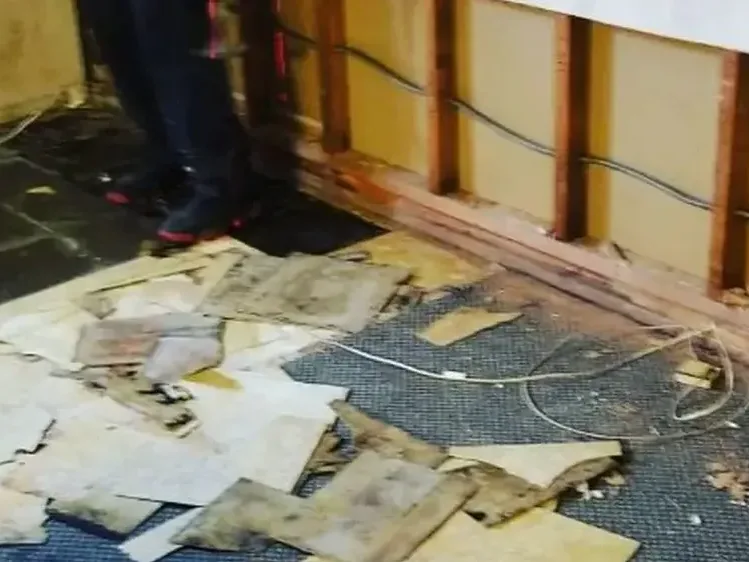 Flood and Flash Flood CleanupCreek water or flash flooding inside the house is contaminated, so extraction, tear out and sanitizing come first.See the service
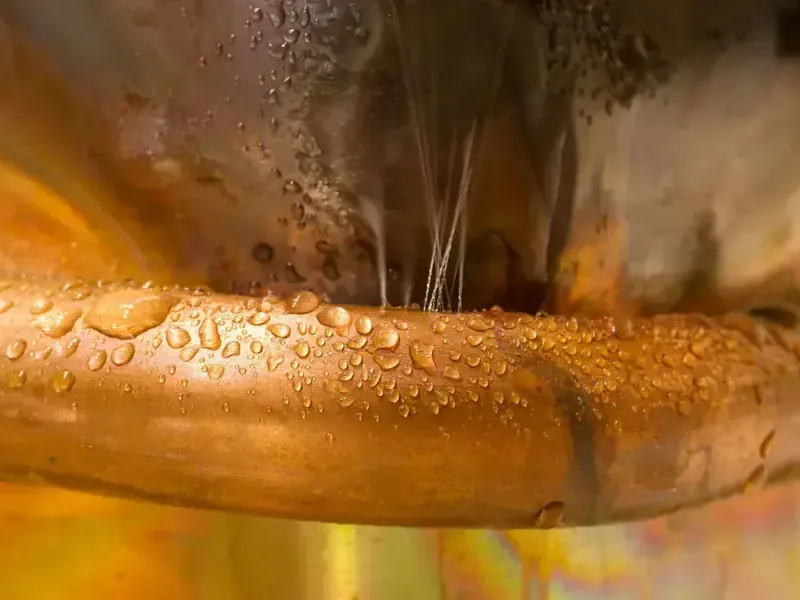 Burst Pipe Water DamageA split supply pipe soaks walls, ceilings and the rooms below, so the cavity is opened and dried.See the service
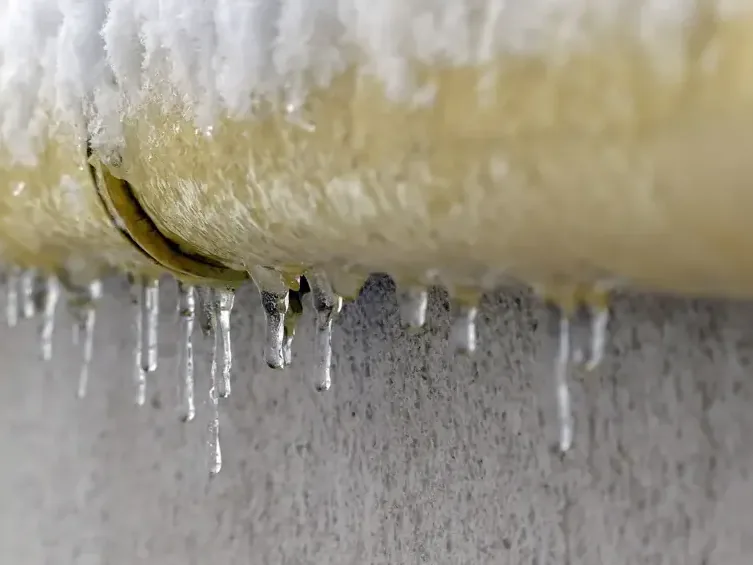 Frozen Pipe Water DamageFrozen pipes that split show up at the thaw, when ice turns to water inside walls and ceilings.See the service
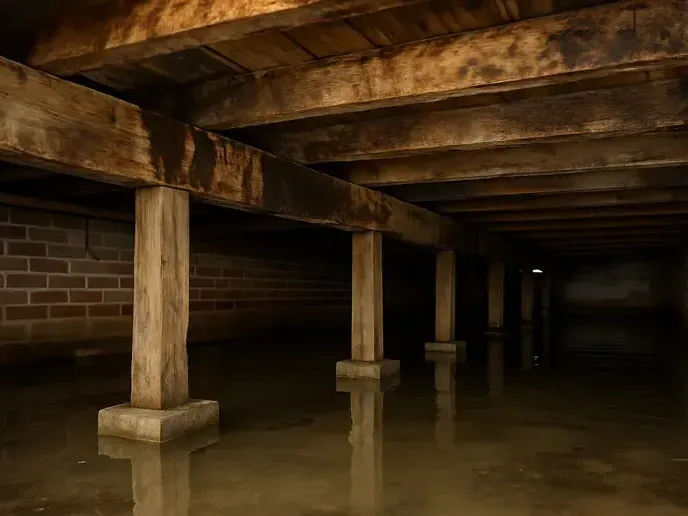 Crawl Space Water RemovalStanding water under a raised floor is pumped out and the soaked insulation dried before it reaches the framing.See the service
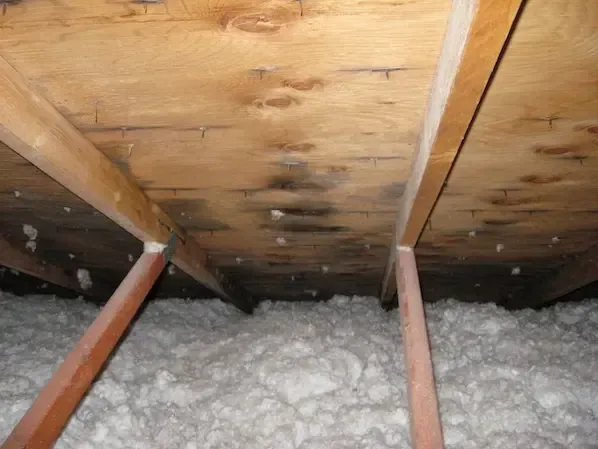 Roof Leak Water DamageStorm damage to shingles or flashing lets rain into attics and ceilings, then wet insulation and drywall are dried.See the service
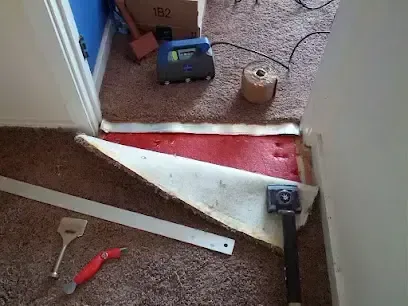 Slab Leak Water DamageA slab leak hides under the floor, so warm spots or a higher water bill get traced first.See the service
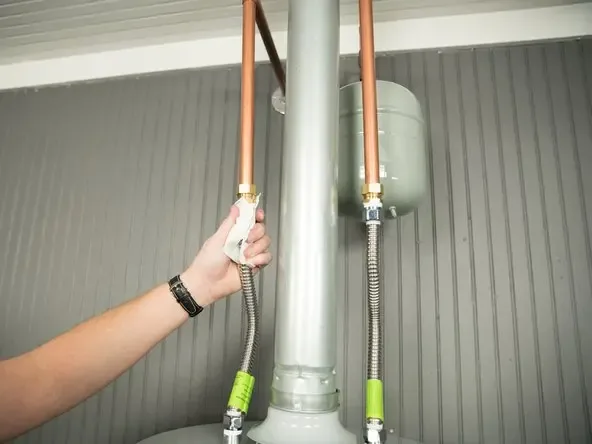 Water Heater Leak CleanupA leaking water heater is shut off first, then the soaked closet, hall or garage floor is dried.See the service
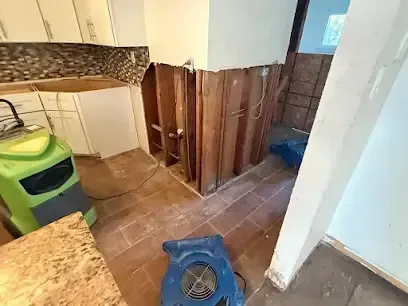 Appliance Leak Water DamageWasher hoses, dishwasher drains and refrigerator tubing leak slowly, so moisture behind and under the appliance is checked.See the service
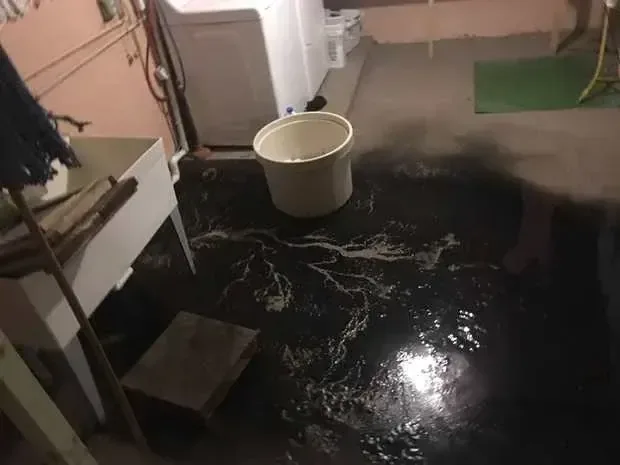 Sewage Backup CleanupSewage that reaches the house is contaminated, so it is removed and every touched surface is cleaned and sanitized.See the service
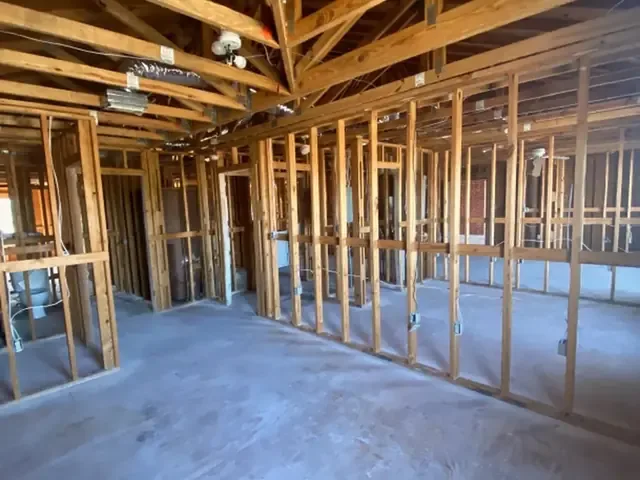 Structural DryingWet framing, subfloor and drywall are dried with air movers and dehumidifiers until moisture readings reach dry targets.See the service
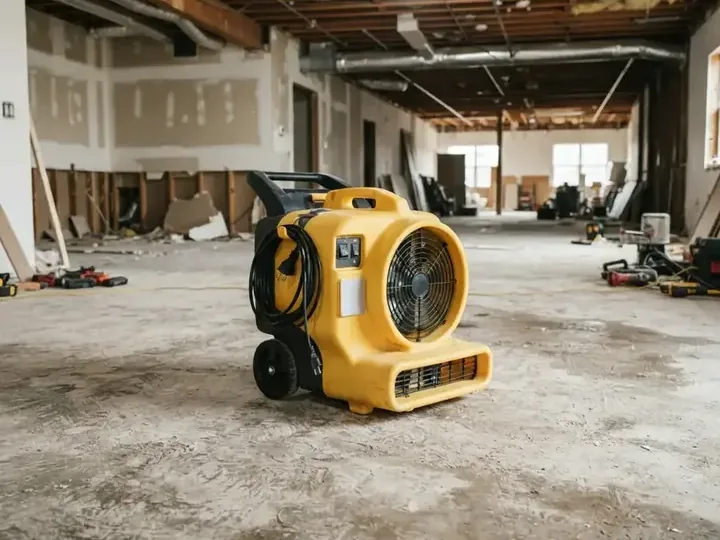 Commercial Water DamageWater loss in an office, shop or shared space is contained, extracted and dried with the occupants in mind.See the service
Unsure which service fits the damage?Say where the water started and which rooms it reached, and dispatch matches the crew and the equipment to the job.(888) 849-5796
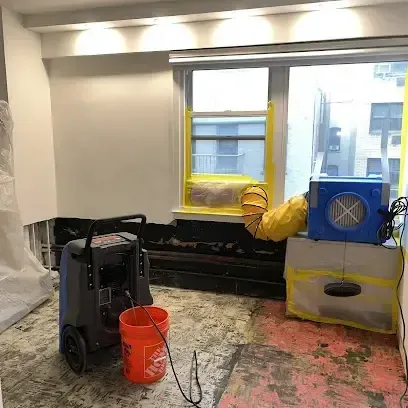
A drying plan built on readings, not guesses
The restoration team treats every loss as a measured job: the water category is set, the wet materials are mapped with meters, and equipment stays until readings match dry targets for that house, and each step is explained to the homeowner.
- Water category set first. Clean, gray or black water decides the tools, the protective gear and what has to be thrown out.
- Meters, not guesses. Moisture meters and thermal imaging trace water into framing and subfloor that look dry from the surface.
- Daily readings kept. Readings are logged each visit, so the drying record shows when each room actually reached its target.
- Open all hours, 24/7. Water does not wait for business hours, so the extraction crew takes losses day or night, weekends and holidays included.
How the drying work is measured
IICRC S500 is the published standard for water damage restoration. It sets how water is categorized, how drying is monitored and when a structure counts as dry, whatever the size of the loss.
- 1
Assess the loss
The water category and class are set, and the source is found and stopped so the readings that follow mean something.
- 2
Remove the water
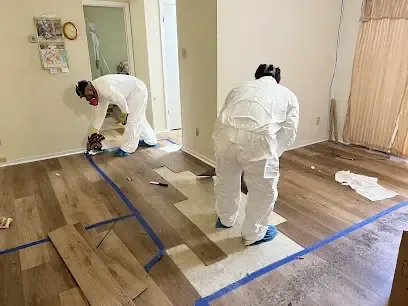
Extraction pulls the bulk water first, and soaked pad, drywall or insulation that cannot be saved is cut out and bagged.
- 3
Dry the structure
Air movers and dehumidifiers run while meters track framing, subfloor and drywall, with readings logged at every visit.
- 4
Confirm it is dry
Equipment comes out only after readings reach the dry target, and the final numbers go into the documentation for the claim.
The equipment behind a measured dry-out
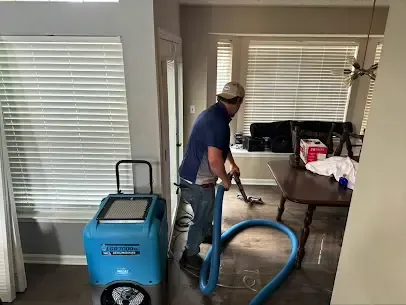
- Truck-mounted extraction pulls standing water out of the building fast.
- Thermal imaging and pin and pinless meters find water behind walls and under floors.
- Air movers are set to each room's evaporation load, not a fixed count.
- LGR dehumidifiers, and desiccant units for Class 4 materials, pull the moisture out of the air.
What does water damage restoration usually cost?
Most jobs land between $1,000 and $14,000, depending on the water category, how many rooms are wet and how long the water sat. Clean water caught early stays near the low end, while sewage or floodwater pushes toward the top.
One area, caught early
$1,000 to $3,000- Single room or hallway
- Air movers and one dehumidifier
- Readings until dry
Several rooms
$3,000 to $7,000- Water spread past one room
- Drywall or flooring cut out
- Extra dehumidifiers running
Major or contaminated
$7,000 to $14,000+- Sewage or creek water
- Containment and tear out
- Dense materials dried slowly
These ranges are typical, never a quote. The water damage cost calculator narrows them once the rooms and the water category are known, for a closer figure.
Three water categories and how each is handled
Clean water from a failed pipe
A split supply pipe or failed valve releases clean water, which dries well when it is caught before it soaks in.
Burst pipe cleanup detailsGray water from appliances
Washer and dishwasher drains and overflowing sinks carry soap and mild contamination, so porous materials usually come out.
Appliance leak cleanup detailsBlack water from sewage or floods
Sewage and creek floodwater carry bacteria and silt. Contaminated materials are removed, not dried, and the area is sanitized.
Sewage backup cleanup detailsDocumentation that supports the claim
A water claim is judged on its documentation, so the drying team keeps the records an adjuster looks for, from the first photos to the final moisture reading.
- A moisture map from day one
- Logged moisture and humidity readings
- Photos taken before anything is removed
- Water category and drying class noted
- A written scope of the work done
Before you file the claim
Sudden, accidental water such as a burst pipe or a failed hose is commonly covered, while slow leaks and flooding from outside often need separate coverage.
Read the policy for those exclusions, call the insurer early and keep every receipt, since fast drying limits the damage claimed.
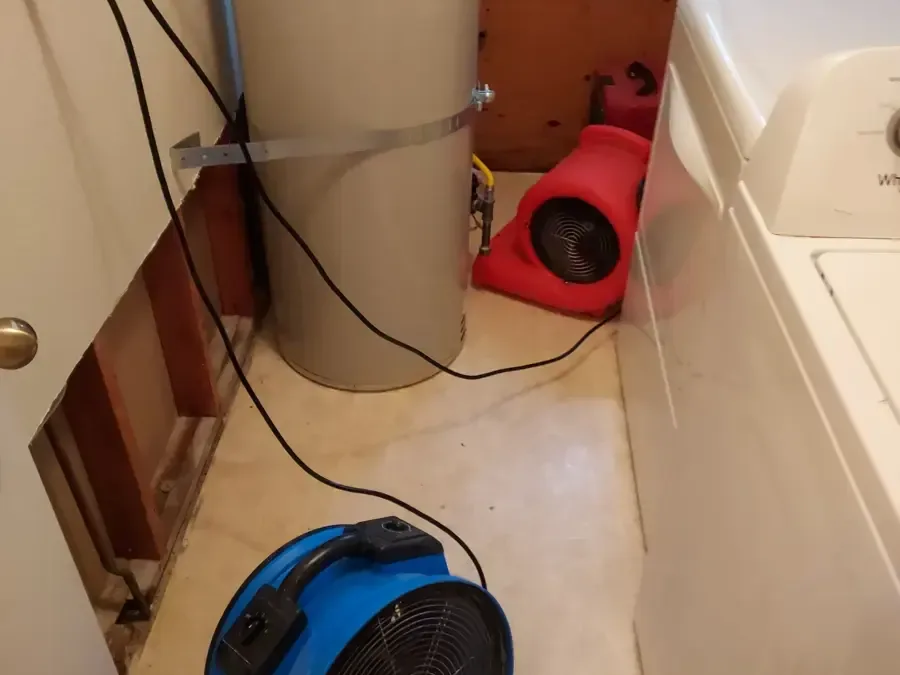
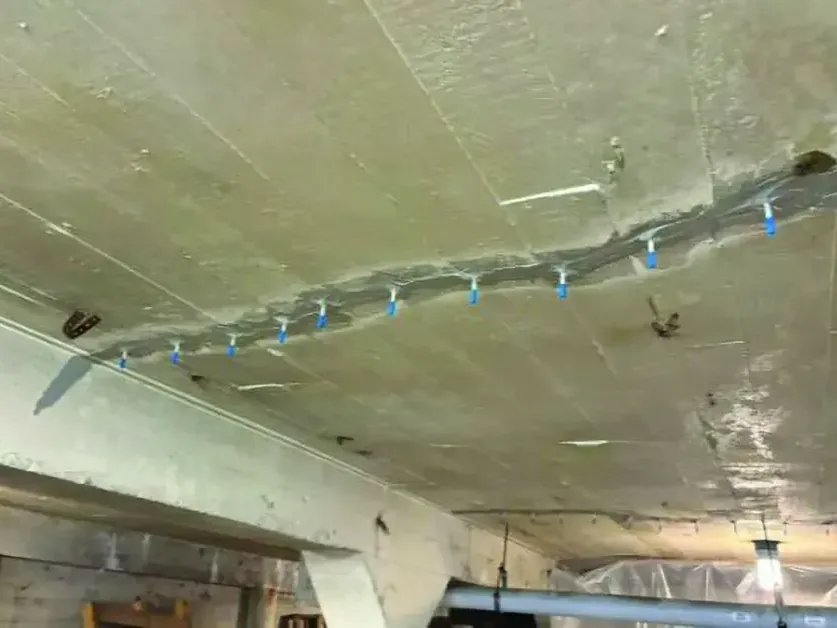
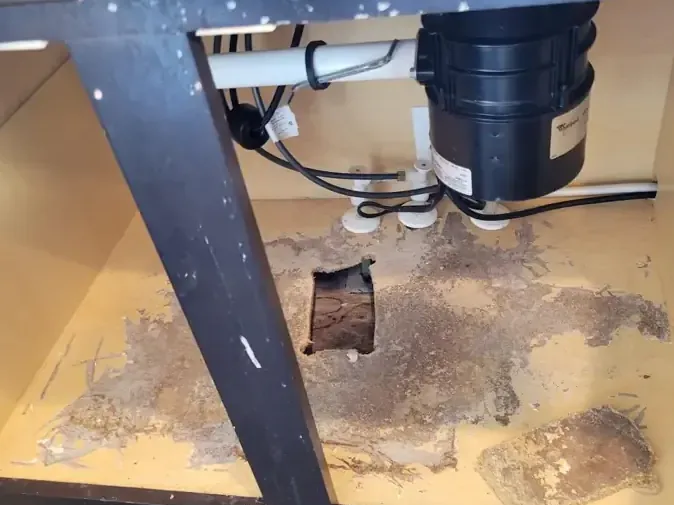
Equipment and tear out in a typical water loss
Water damage restoration across Belle Meade
Streets and landmarks served
Nearby communities
Water in the house at any hour? Start with a call
The response team covers the whole city, from Belle Meade Boulevard to the curving streets laid out in Belle Meade Links and Deer Park.
Have the water source, the wet rooms and any insurance details ready, and the crew explains the drying plan before work begins.
(888) 849-5796Set up the drying visit nowWhere water trouble starts in Belle Meade
Richland Creek flows through the city, the May 2010 flood rains fell heavily nearby, and a city pressure sewer serves hundreds of homes, so local risks have their own shape.
May 2010
The National Weather Service logged Richland Creek cresting at 19.99 feet, above its 1979 level, and two rain gauges near Belle Meade at 17.67 and 17.02 inches.
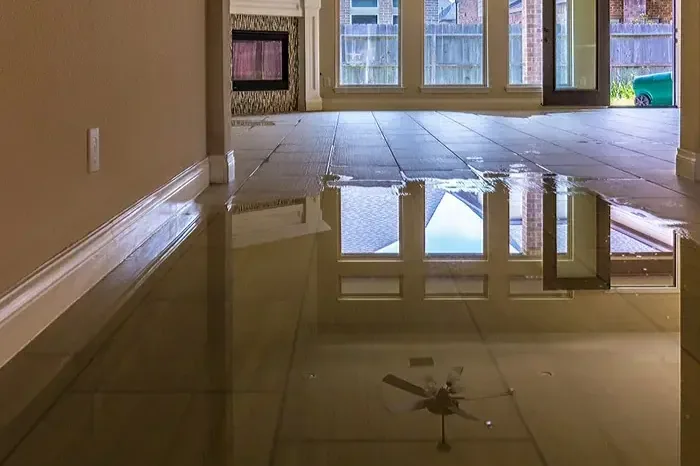
- Creek flooding. Richland Creek flows through the city, and flood water that comes inside is treated as contaminated, so it is extracted, torn out where needed and sanitized instead of simply dried.
- Heavy rain. Rain near the city has reached extreme totals, and storm water can overwhelm gutters, drains and the ground around a house, so water shows up at low doors and along walls.
- Pressure sewer pumps. More than 900 households are on the city's pressure sewer, and each home on it has an underground pump station with a red wall light that signals when repairs are needed.
- Sewage reaching the house. Whatever the cause, sewage that reaches a house is contaminated water, so cleanup covers the affected rooms and every surface the water touched, not just the floor.
- Freeze and ice. A major ice storm crossed Middle Tennessee in January 2026, with ice averaging between 1/4 and 1/2 inch. It was a regional event, and freezing weather is when exposed pipes and roofs get tested.
Belle Meade water damage questions answered
How quickly does water damage need attention?
As soon as the source is stopped. Standing water soaks into pad, drywall and framing quickly, and mold growth can begin within 24 to 48 hours, so extraction and drying should start at once. Materials dried early are far likelier to be saved.
What should I do while water is still spreading?
If it is safe, close the main shutoff, switch off power to the wet rooms from a dry spot and lift small items onto dry surfaces. Stay out of standing water near outlets, photograph the damage and call for extraction right away.
Will homeowners insurance pay for water damage?
A sudden, accidental release such as a burst pipe or a failed appliance hose is commonly covered. Slow leaks, wear and flooding from outside are often excluded, so the policy wording and the adjuster decide, and drying records support the claim.
What water problems are most likely here?
Heavy rain and creek flooding are the documented regional risks, with Richland Creek flowing through the city. Everyday causes such as split supply pipes, failing water heaters and slow appliance leaks do much of the damage in any town.
How long does it take to dry a house?
A contained Class 1 loss in one room can dry in a few days. Larger spreads and Class 3 or 4 losses with wet framing or dense materials take longer, and structural drying ends only when meters read dry, not on a fixed date.
What does the IICRC S500 standard cover?
S500 is the industry standard for water damage restoration. It defines the three water categories and four drying classes, how equipment is placed and how progress is monitored, so drying follows a documented method rather than guesswork.
Can wet drywall be saved or must it be cut out?
Drywall is cut out when it has swollen, crumbled or been soaked by gray or black water. Drywall wet with clean water and caught early can sometimes be dried in place, and a moisture meter decides before anything is removed.
Why does sewage need different handling?
Sewage is Category 3 water the moment it backs up, because it carries bacteria. Porous materials it touched are removed, hard surfaces are cleaned and sanitized, and the crew works in protective gear with containment. Read about sewage backup cleanup.
What is the red light on a pressure sewer pump?
Homes on the city's pressure sewer have an underground pump station, and a red wall light within sight of it signals that mechanical repairs are needed. The pump system is maintained by the city, and cleanup covers whatever water reached the house.
What drives the price of a water damage job?
The main drivers are the water category, how many rooms and materials are wet, how long the water sat and how many days the structure needs to dry. A written scope follows the first moisture readings, before any demolition starts.
Wet floor right now? Shut off the water if it is safe, stay out of rooms with standing water near outlets, and photograph the damage before anything is moved.
(888) 849-5796Get the drying plan explainedSoaked floors in Belle Meade? Get the extraction going
Water keeps moving into pad, drywall and framing while it sits, so the sooner extraction starts, the more of the house can be saved.