Water Damage Restoration Ashland City, TN
Standing water in a kitchen, a soaked ceiling or a flooded crawl space is pumped out, measured and dried by a restoration crew serving homes and businesses in Ashland City and across Cheatham County.
(888) 849-5796Call a Cheatham County drying crewResidential districts rise on hills north of the river flood plain, and each drying plan follows where the water came from.
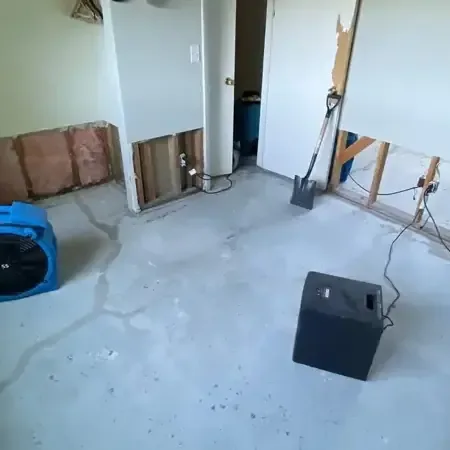
What to do first when water gets inside
- 1
Stop the water
Close the shutoff valve for the pipe or appliance if it is safe to reach, and switch off the breaker for any room with standing water.
- 2
Photograph the damage
Take pictures of the water, the source and every damaged item before anything is moved, since insurers ask for that record later.
- 3
Call the drying crew
Extraction and drying should start as soon as possible, because wet drywall, insulation and flooring keep absorbing moisture.
- 4
Clear small items
Lift small items, rugs and electronics onto dry surfaces, but leave heavy furniture for the crew.
- 5
Hold off on repairs
Leave wet drywall, flooring and insulation in place until readings are taken, since early tear out can hide how far water spread.
Water damage services for homes and shops
Flood water, split pipes, leaking roofs, failed appliances and backed up drains all follow different steps, so each kind of water loss in town gets its own plan.
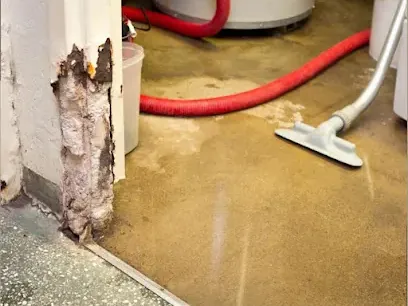 Water Extraction and RemovalPumps and wands pull standing water off floors and out of carpet before it wicks into walls.See the service
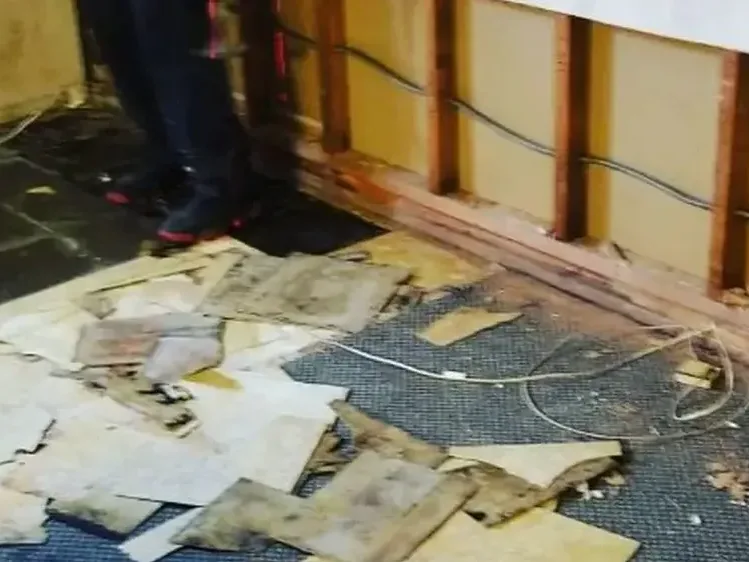 Flood and Flash Flood CleanupMuddy river water and flash flood runoff are pumped out, ruined materials removed and the rest dried.See the service
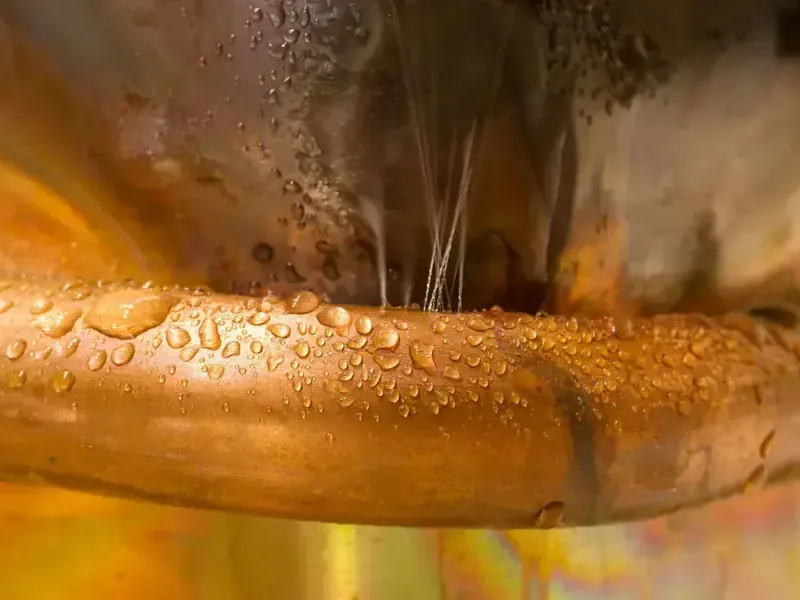 Burst Pipe Water DamageA split supply pipe floods a room fast, so the water is shut off and extracted first.See the service
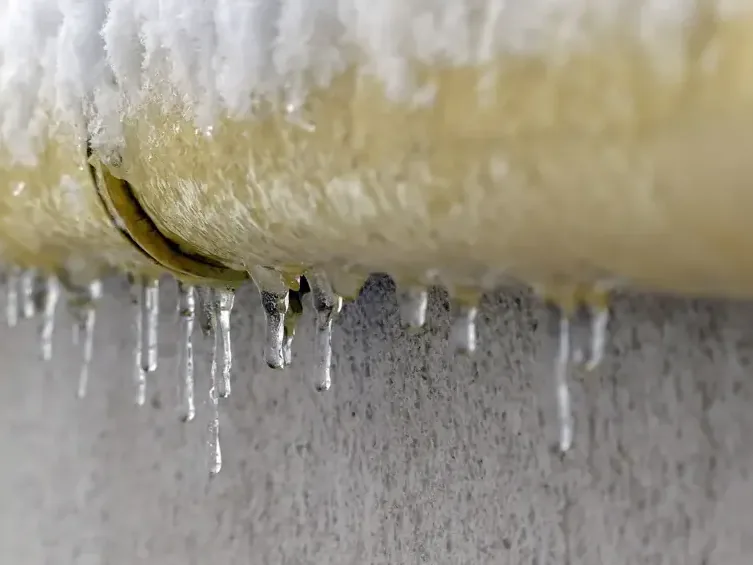 Frozen Pipe Water DamageIce splits a pipe, the thaw floods the wall cavity, and the wet materials are found and dried.See the service
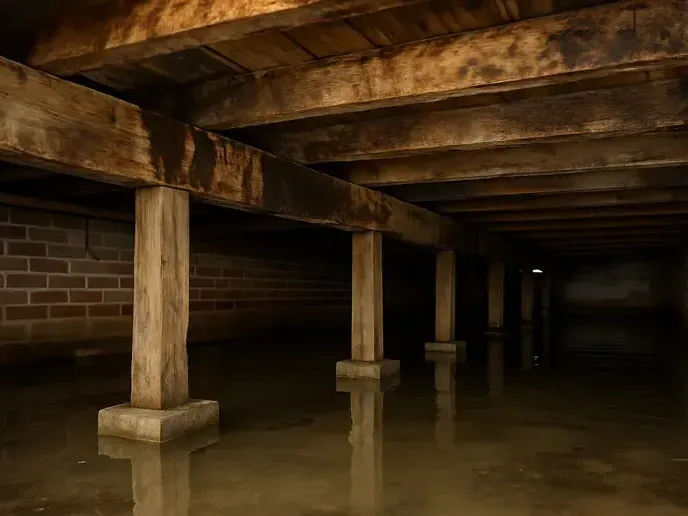 Crawl Space Water RemovalWater under the floor is pumped out and the crawl space dried before the framing stays damp.See the service
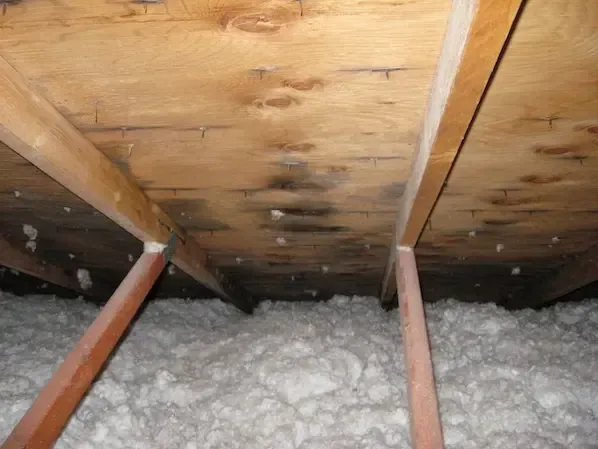 Roof Leak Water DamageRain past a failed roof soaks insulation and ceilings before a stain shows, and wet areas are dried.See the service
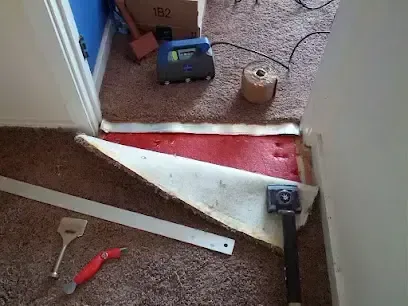 Slab Leak Water DamageA hidden leak under the slab soaks flooring and cabinet bases, so it is located and the concrete dried.See the service
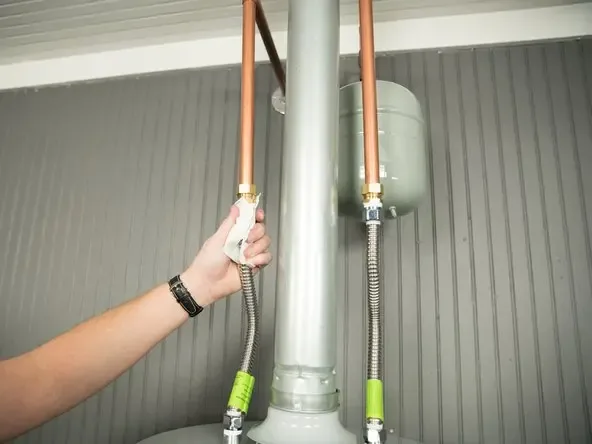 Water Heater Leak CleanupA leaking tank floods a closet or garage, so the water is removed and nearby walls and floors dried.See the service
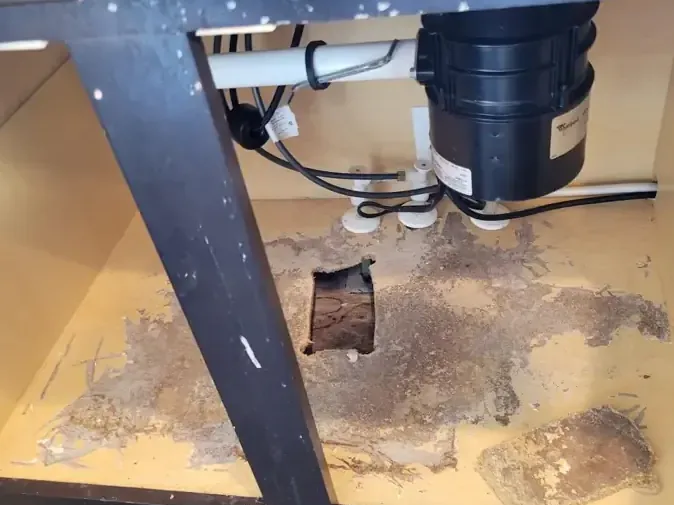
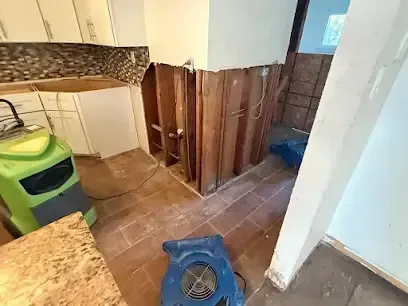 Appliance Leak Water DamageFailed hoses and seals on washers, dishwashers and refrigerators leak unseen, so cabinet bases and flooring get checked and dried.See the service
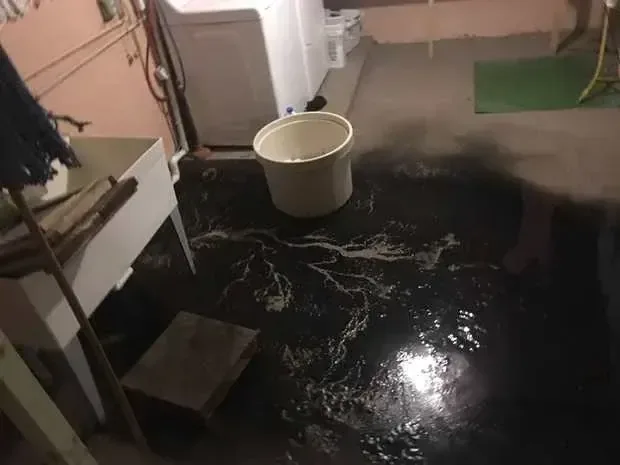 Sewage Backup CleanupContaminated water from a backed up drain is removed, hard surfaces are sanitized and porous materials are discarded.See the service
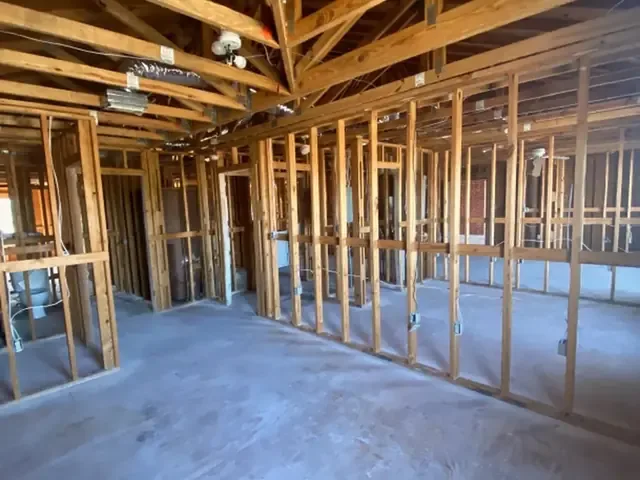 Structural DryingMoisture readings steer air movers and dehumidifiers through framing and subfloor until the dry target is met.See the service
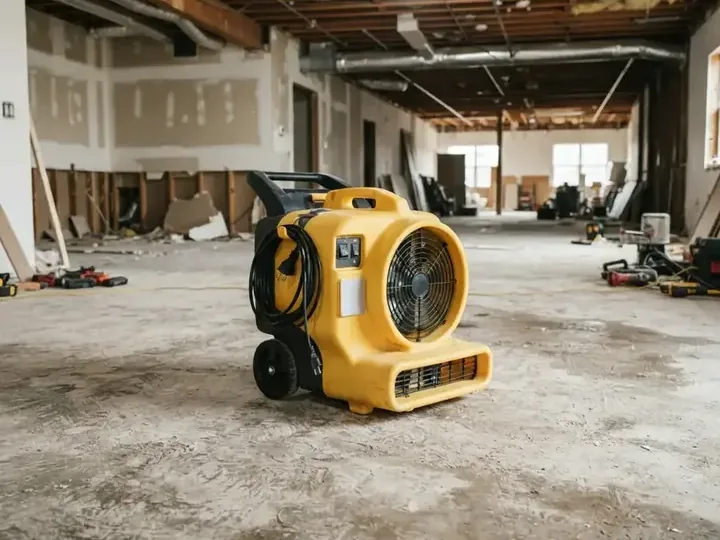 Commercial Water DamageShops, offices and light industrial space get water removed and drying staged by area to limit downtime.See the service
Unsure which service fits the damage?Say where the water started and which rooms it reached, and dispatch matches the crew and the equipment to the job.(888) 849-5796
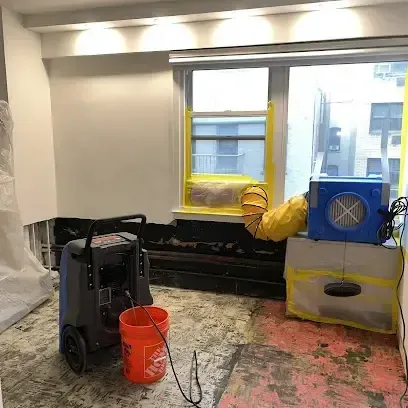
A drying plan built around the property, not a template
A job starts with moisture readings and a look at where the water entered, then equipment goes in and readings repeat until the structure is dry. Water from a river or flash flood needs different handling than a pipe that split inside a wall.
- Readings before equipment. Moisture meters and thermal checks map the wet areas first, so equipment goes where the water actually traveled.
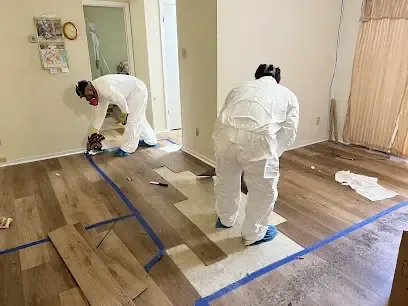
- Contained work areas. Plastic sheeting and negative air keep dust and contaminated water from spreading into rooms that stayed dry.
- Daily checks until dry. Technicians return to log new readings and adjust equipment, and the job ends only when materials reach dry targets.
- Records the insurer can use. Readings, photos and equipment logs are kept so the claim file shows what was wet and how it was dried.
Dried to a measured target, not by guesswork
Restoration follows the IICRC S500 water damage standard: readings set a dry goal for each material, equipment runs until the goal is met, and the final readings are kept in the file.
- 1
Map the moisture
Meters and thermal imaging trace water through walls, floors and ceilings, and each wet material gets a reading.
- 2
Set the dry goal
Readings taken in rooms the water never reached show what dry looks like for each material.
- 3
Run the equipment
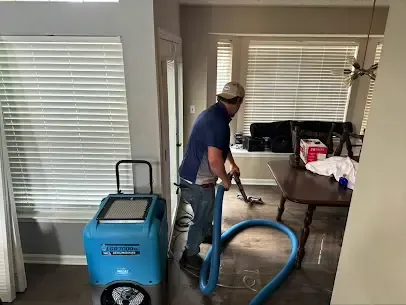
Air movers and dehumidifiers are placed by room volume and material, then adjusted as readings change from day to day.
- 4
Confirm and document
A final round of readings shows each material at its target, and the logs and photos are saved for the claim.
The equipment behind a measured dry-out
- Truck-mounted extraction pulls standing water out of the building fast.
- Thermal imaging and pin and pinless meters find water behind walls and under floors.
- Air movers are set to each room's evaporation load, not a fixed count.
- LGR dehumidifiers, and desiccant units for Class 4 materials, pull the moisture out of the air.
What a water damage job usually costs
Cost follows how many rooms are wet, how long the water sat and whether it was clean or contaminated. One wet room with clean water starts near $500, and a whole floor or dirty water climbs past $4,000.
One wet room
$500 to $1,500- Clean water extracted
- Pad and baseboards pulled
- Air movers set
Several rooms
$1,500 to $4,000- Extraction across rooms
- Wet drywall cut out
- Dehumidifier plus air movers
Whole floor or dirty water
$4,000 to $8,000+- Floor wide extraction
- Contaminated materials removed
- Extended drying time
These ranges are typical, and a real price depends on what the readings show once the crew is on site. Flood, sewage and commercial losses follow higher ranges.
Three common ways water gets in
River flood and flash flood water
Water that enters from outside carries mud and debris, which makes it contaminated, and the affected materials are removed.
See flood and flash flood cleanupSupply pipes that fail
A burst or frozen pipe can run for hours inside a wall, so the cavity is opened, the water extracted and the framing dried.
See burst pipe water damageDrains that back up
Sewage backup is contaminated water, so cleanup uses protective gear and removes porous materials the water touched.
See sewage backup cleanupDocumenting the loss for the claim
Standard homeowner policies often cover a sudden pipe failure but exclude rising flood water and long running leaks, so the cause of the loss matters. Clear records help the adjuster see what happened.
- Photos of the water and damaged items before cleanup
- The date and time the water was found
- A list of damaged belongings
- Moisture readings and equipment logs
- Receipts for any emergency repairs
Working with the adjuster
The restoration team documents the loss with readings, photos and equipment logs, and keeps that file ready so the adjuster can compare it with the policy.
Coverage decisions belong to the carrier, so a homeowner should report the loss promptly and ask what it says about water damage and flood.
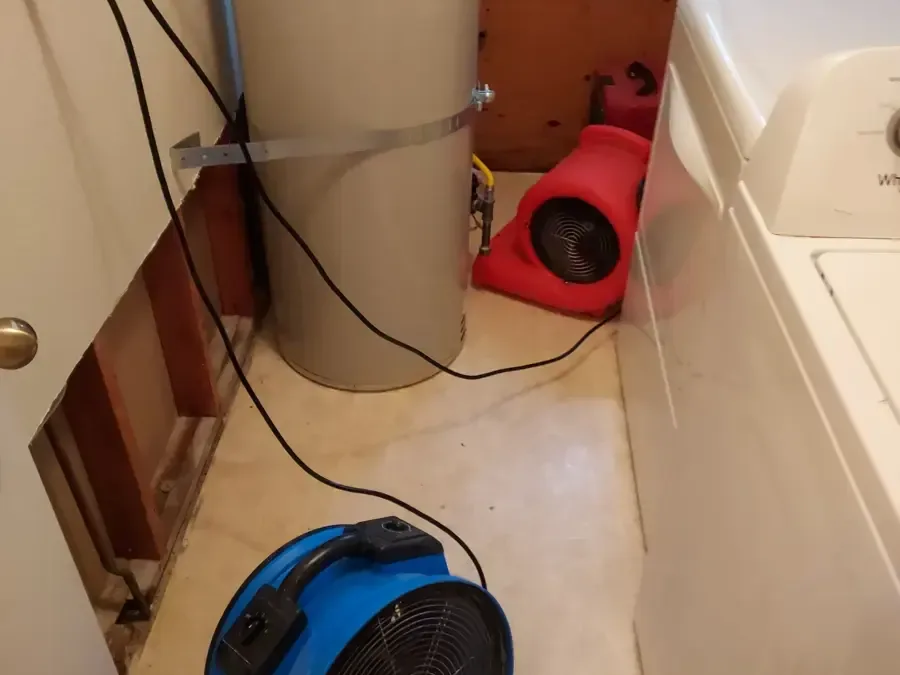
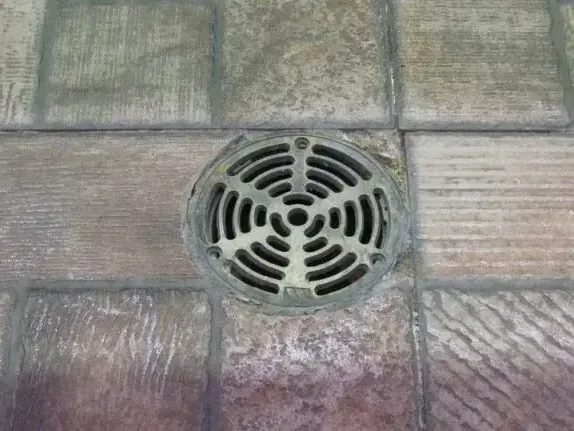
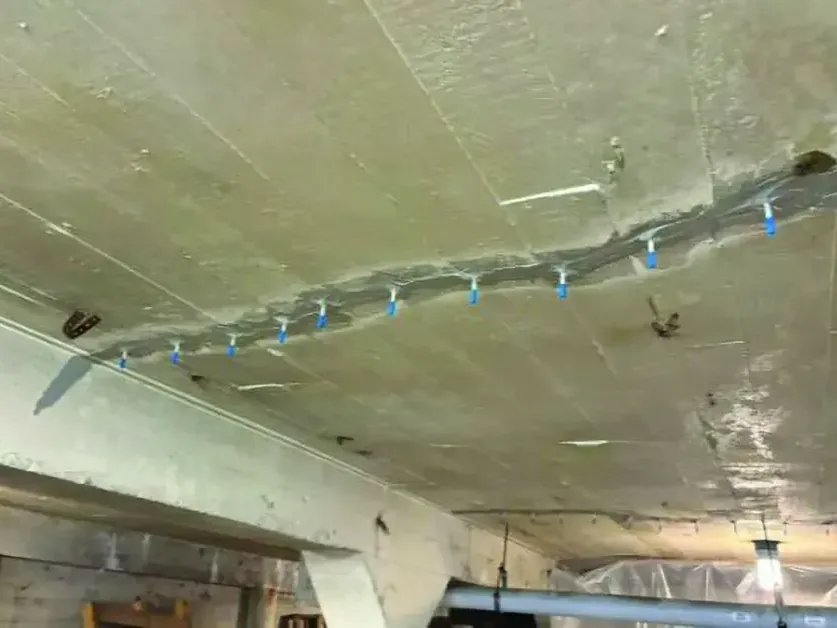
Equipment, openings and drying on a typical job
Covering Ashland City and the rest of Cheatham County
Main roads served
Nearby areas
Water in the house or shop? Reach the response team any hour
The response team covers homes, shops and industrial buildings along the Cumberland River bottomland, the residential hills north of it, and the Cheatham County Industrial Park.
Describe the water, the source and the rooms involved, and the crew plans its equipment before rolling out.
(888) 849-5796Talk to the Cheatham County crewHow water reaches homes in a river town
The town sits in bottomland on the northeast bank of the Cumberland River, with residential districts on hills to the north, and flooding has reached the area more than once.
May 2010
Flooding along the Cumberland put Ashland City among the areas under muddy water, and Cheatham County counted about 550 homes and 55 businesses damaged, roughly $10 million in losses.
- River flooding. The Cumberland River borders the bottomland where the town sits, and the National Weather Service publishes river hydrographs for the Cumberland at Ashland City, a useful check before heavy rain.
- Flash flooding. A National Weather Service storm survey describes significant flash flooding around town in February 2016, with Fairgrounds Road, Chestnut Street, Duke Street, Brook Hollow Road and Main Street flooded.
- Low roads and runoff. On February 23, 2019, water flowed over Main Street near Highway 49 and Tennessee Waltz Parkway was flooded and closed, and the same runoff can reach driveways and ground level rooms.
- Water service interruptions. A pump problem at the water treatment plant on August 31, 2022 cut service to much of the town, and a tap left open can flood a room when service returns.
- Sewer service in a flood. In February 2016 floodwaters surrounded the sewage treatment plant, which shows how closely river flooding and sewer service are tied together. Sewage that reaches a home is handled as contaminated water.
Common water damage questions
How soon should drying start after a leak?
Drying should start as soon as the source is stopped, because wet drywall, insulation and subfloor can begin growing mold after 24 to 48 hours. Extraction comes first, then air movers and dehumidifiers pull the remaining moisture out of the materials.
Does homeowners insurance cover a flooded house?
Standard policies usually exclude rising flood water, which needs separate flood coverage, while sudden pipe or appliance failures are often covered. The policy and the adjuster decide, so the cause of the loss and its documentation matter.
What happens when river or flash flood water gets inside?
Flood water carries mud and bacteria, so it is treated as contaminated. The crew pumps it out, removes porous materials such as carpet and pad, cleans hard surfaces and then dries the structure.
Can wet drywall and flooring be saved?
Drywall and flooring that took on clean water and were dried quickly can often stay, since equipment brings them back to target readings. Water that was contaminated or sat for days usually means removal of porous materials.
What does water damage restoration cost here?
Small clean water jobs in one room often run $500 to $1,500, several rooms run $1,500 to $4,000 and a whole floor or dirty water runs $4,000 to $8,000 or more. Floods and sewage run higher, as covered under flood and flash flood cleanup.
Is a sewage backup handled differently from other water?
Yes. Sewage is contaminated water, so cleanup calls for protective gear, containment, removal of porous materials and sanitizing of hard surfaces. A clean supply leak does not need any of that.
How long does structural drying take?
Several days is typical. Thick framing, concrete and other dense materials release moisture slowly, so daily readings, not a fixed schedule, decide when the equipment comes out.
What should be checked after a water outage ends?
After the August 31, 2022 pump problem the town said its water was not contaminated and customers did not need to flush. When service returns after any outage, taps, appliance valves and supply connections should be checked for leaks.
Does the crew work on businesses as well as homes?
Yes. Shops, offices and industrial buildings get extraction and drying staged by area so the rest of the building can keep operating, and commercial water damage work adds records for the property manager.
Who is called first, the plumber or the restoration crew?
If a pipe or appliance is still leaking, the supply is shut off and a plumber repairs it. The restoration crew handles the water already inside, so the two jobs often run side by side.
Water in the building right now? Pumps, air movers and dehumidifiers are loaded and ready, and the crew starts with the source, the standing water and the wettest rooms.
(888) 849-5796Call the crew nowWater on the floor in Ashland City? Make the call now
Extraction and drying equipment is ready around the clock, and the sooner the source is stopped, the less material has to be removed.