Water Damage Restoration Greenbrier, TN
Standing water, a soaked ceiling or a backed up drain in a Greenbrier home gets worse by the hour. The response team pumps out the water, opens wet walls and dries the frame back to normal readings.
(888) 849-5796Call now about wet floorsZIP code 37073 reaches past the city limits, with 14,506 residents in 2020, and the crew works the whole ZIP.
What to do right after water shows up in your home
- 1
Stop the source
If it is safe, shut off the main water valve or the appliance supply. Leave sewage and anything touching electric alone.
- 2
Cut power nearby
Switch off breakers for wet rooms, and stay out of water that reaches outlets or cords.
- 3
Photograph everything
Take wide and close photos of the water, the damaged items and the source before anything is moved.
- 4
Call the crew
Reach the restoration team at any hour so extraction can begin while the water is still sitting on the surface.
- 5
Lift what you can
Move rugs, small furniture and electronics to dry ground, and leave soaked drywall and flooring for the crew.
Water damage services for every kind of leak
A flooded garage, a split pipe and a wet ceiling call for different tools, so each loss gets the extraction and drying method that fits it best.
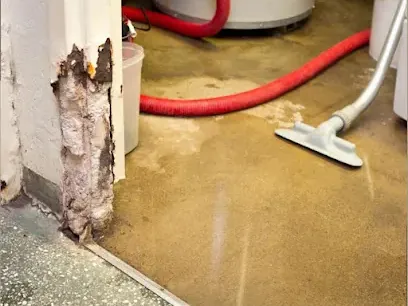 Water Extraction and RemovalPumps and wands lift standing water off floors and out of pad before anything else is done.See the service
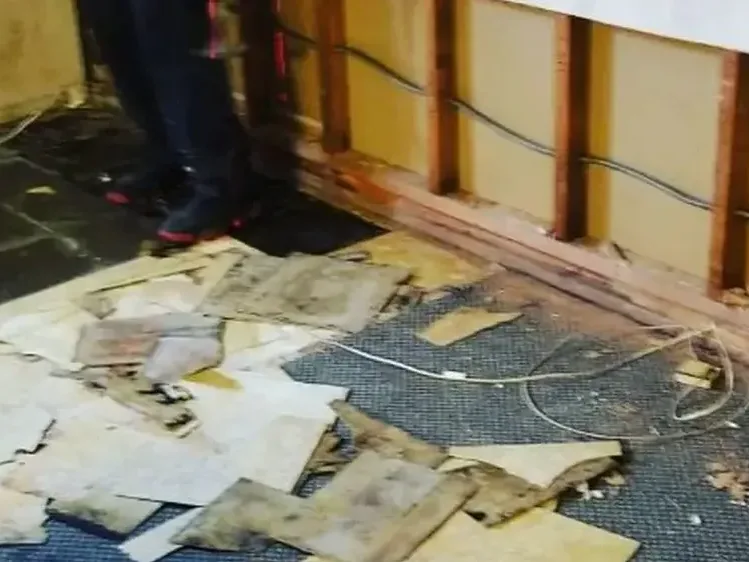 Flood and Flash Flood CleanupFlooded rooms are pumped out, then soaked floors and lower walls are stripped back and dried.See the service
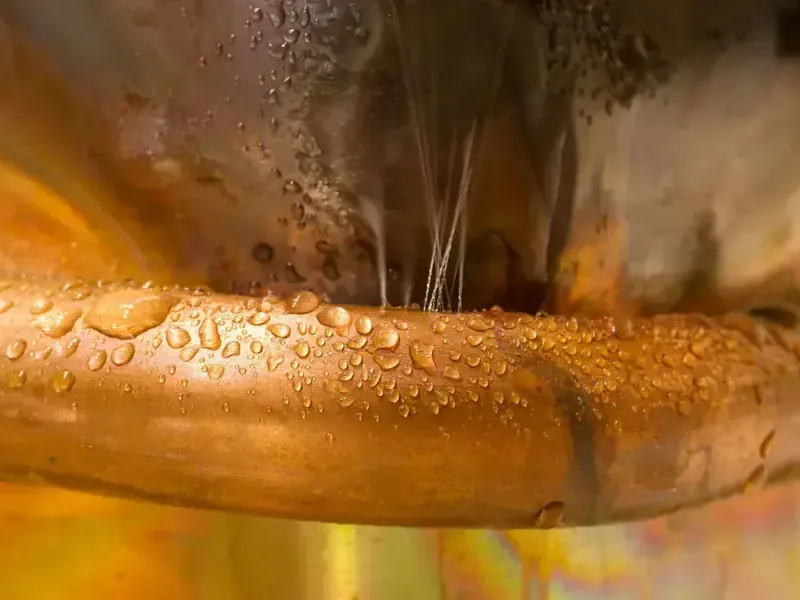 Burst Pipe Water DamageA split supply pipe soaks ceilings and walls fast, so the water is extracted and wet cavities are opened.See the service
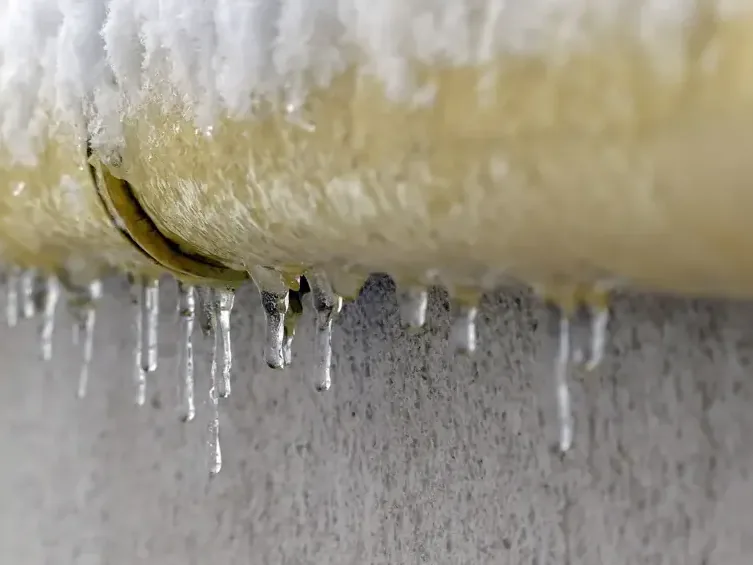 Frozen Pipe Water DamageA pipe split by a hard freeze floods its wall at the thaw, and that wall and floor need drying.See the service
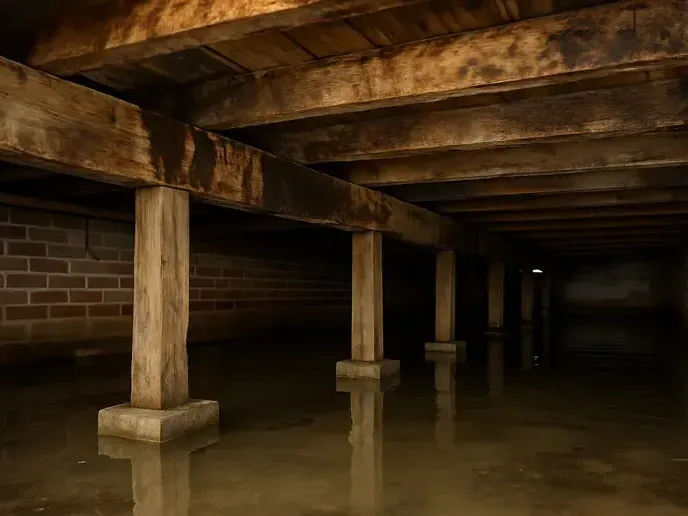 Crawl Space Water RemovalWater under a raised floor is pumped out, and the wet insulation and joists are dried in place.See the service
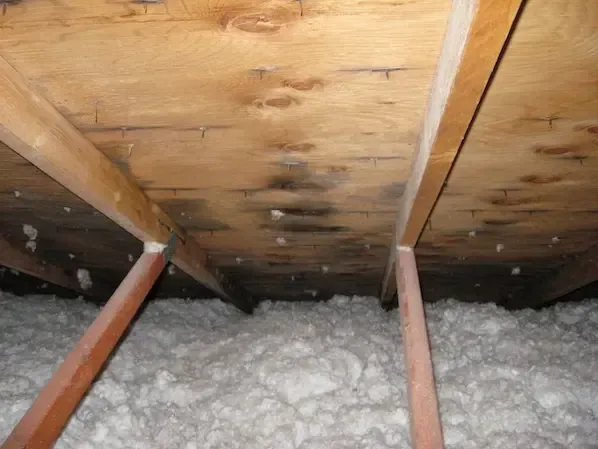 Roof Leak Water DamageA leaking roof wets attic insulation, ceilings and walls below, and each layer is dried to normal.See the service
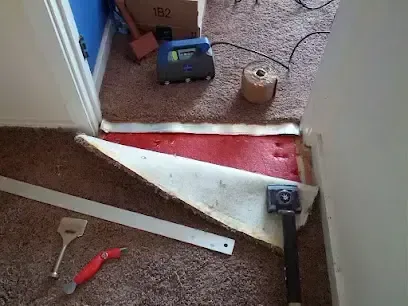 Slab Leak Water DamageA leak under a concrete slab is traced, then the wet flooring and walls above it are dried.See the service
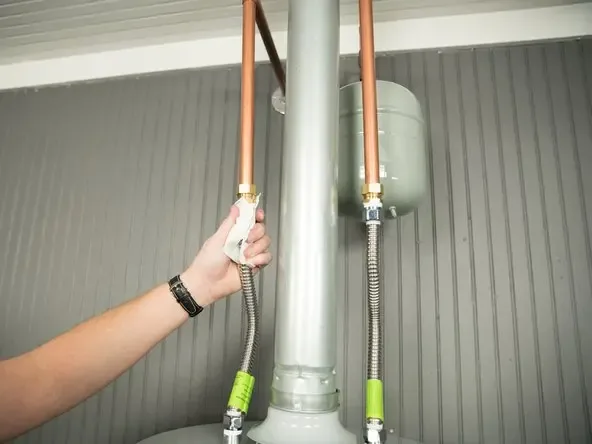 Water Heater Leak CleanupA leaking tank floods the floor and nearby walls, and both are extracted and dried.See the service
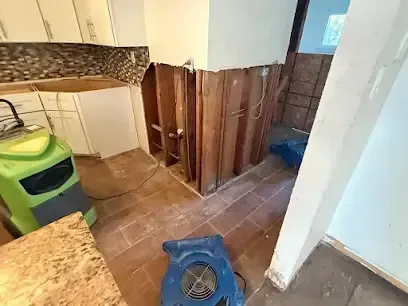 Appliance Leak Water DamageDishwasher, washer and refrigerator hose leaks soak floors and cabinet bases, often unseen for days.See the service
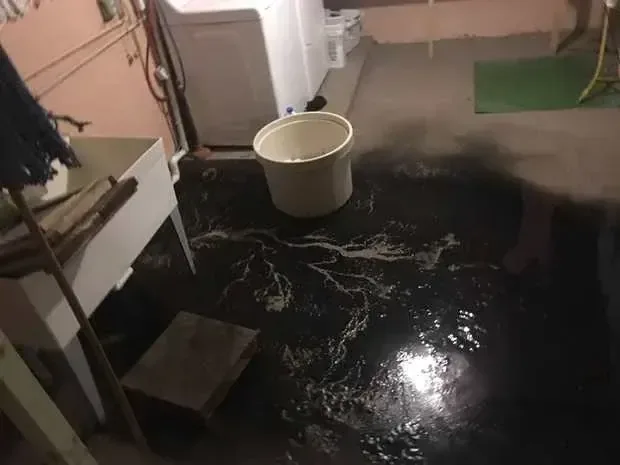 Sewage Backup CleanupBacked up drains put contaminated water on the floor, which is removed and the area cleaned and disinfected.See the service
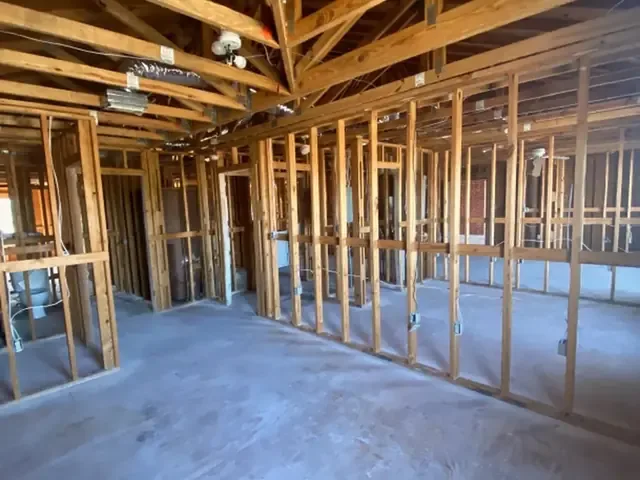 Structural DryingFraming, subfloor and drywall are dried with controlled airflow and dehumidifiers, checked against meter readings.See the service
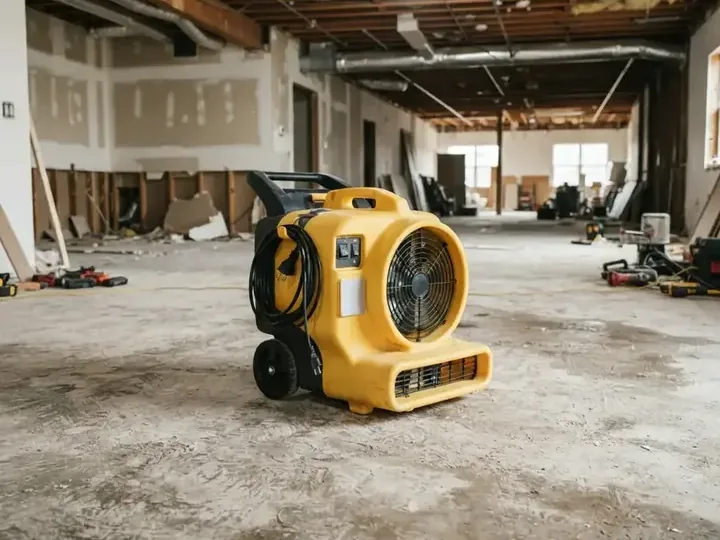 Commercial Water DamageStores, offices and work spaces are dried in phases so the business can keep operating.See the service
Unsure which service fits the damage?Say where the water started and which rooms it reached, and dispatch matches the crew and the equipment to the job.(888) 849-5796
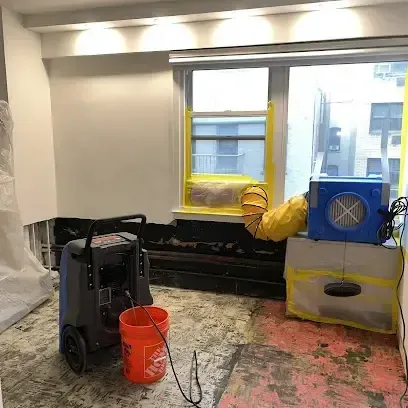
Built around people dealing with their own floors and walls
Greenbrier's homeownership rate was 79.3% in 2024, so most water losses land on a homeowner who decides what is kept, what is torn out and what the insurer needs to see, all while the floors are still wet.
- Owner decisions come fast. Most jobs involve a homeowner's own floors, pad and walls, so the crew explains what can dry in place and what comes out.
- Moisture checked, not guessed. Meter readings in every wet material show where water traveled, so drywall behind a cabinet is not left damp by assumption.
- Water and sewage only. The work is limited to water and sewage losses, so every truck is stocked for pumping, drying and disinfecting.
- Records the insurer can follow. Photos, readings and a daily drying log are kept so a claim has dated proof of the loss and of the work done.
Dry means a meter says so
A dry out is finished when framing, subfloor and drywall read normal on a moisture meter, not when the equipment has run for a set number of days. Each day's readings go into a written log.
- 1
Find the wet areas
Moisture meters and thermal imaging map where water traveled, including walls, ceilings and subfloor the eye cannot judge.
- 2
Remove the water
Pumps, wands and extractors take standing water first, since airflow cannot dry a floor that is still covered.
- 3
Open and dry the cavities
Baseboards come off, small holes are cut, and drying equipment moves warm air through wall and floor spaces.
- 4
Confirm it is dry
Readings are compared with dry materials in the same house, and the crew pulls equipment only once they match.
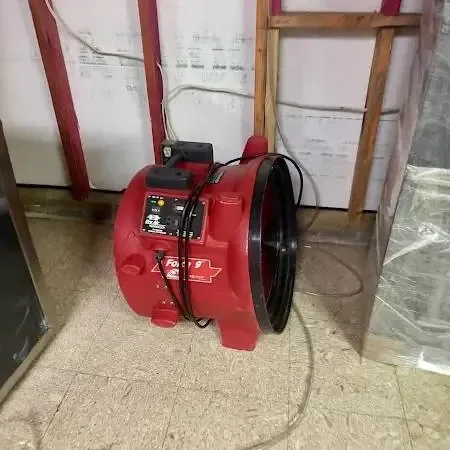
The equipment behind a measured dry-out
- Truck-mounted extraction pulls standing water out of the building fast.
- Thermal imaging and pin and pinless meters find water behind walls and under floors.
- Air movers are set to each room's evaporation load, not a fixed count.
- LGR dehumidifiers, and desiccant units for Class 4 materials, pull the moisture out of the air.
What does water damage cleanup usually cost?
Price follows how many rooms are wet, how long the water sat and whether it was clean or contaminated. The ranges below are typical for extraction work, and moisture readings settle the final scope once the crew has seen the loss.
One room, clean water
$500 to $1,500- Pump out and extraction
- Pad and baseboard check
- Meter readings on walls
Several rooms
$1,500 to $4,000- Extraction in each room
- Wet drywall cut and dried
- Daily visits for checks
Whole floor or dirty water
$4,000 to $8,000+- Contaminated water handling
- Flooring and pad removal
- Longer dry out with logs
These are typical ranges, not a quote. Drying equipment days, flooring removal and contaminated water move a job up the scale, and a moisture map settles the final scope.
The leaks and backups that bring the crew out
Burst and frozen pipes
A split pipe inside a wall can run for hours before anyone sees it, and the wall cavity holds the water.
See burst pipe cleanupWasher, dishwasher and fridge leaks
A slow hose leak under an appliance soaks the subfloor and cabinet base long before a stain shows.
Read about appliance leaksSewage backups in city sewer homes
Greenbrier lists sewer among its city utilities, and a backup of that kind is cleaned as contaminated water.
See sewage backup cleanupDocumenting the loss for a claim
Insurers want proof of what the water touched, what was removed and how the rest was dried, so the crew builds that record while the work is going on.
- Dated photos of the damage before cleanup
- The water source and when it was found
- Moisture readings from each wet room
- A list of materials removed and why
- The daily drying log and final readings
What the homeowner handles
In Greenbrier the median property value was $321,900 in 2024, so a wet floor or ceiling is a meaningful repair bill, and a clear record helps a claim.
Coverage rules differ by policy, so the crew documents the loss and does not decide what a policy pays.
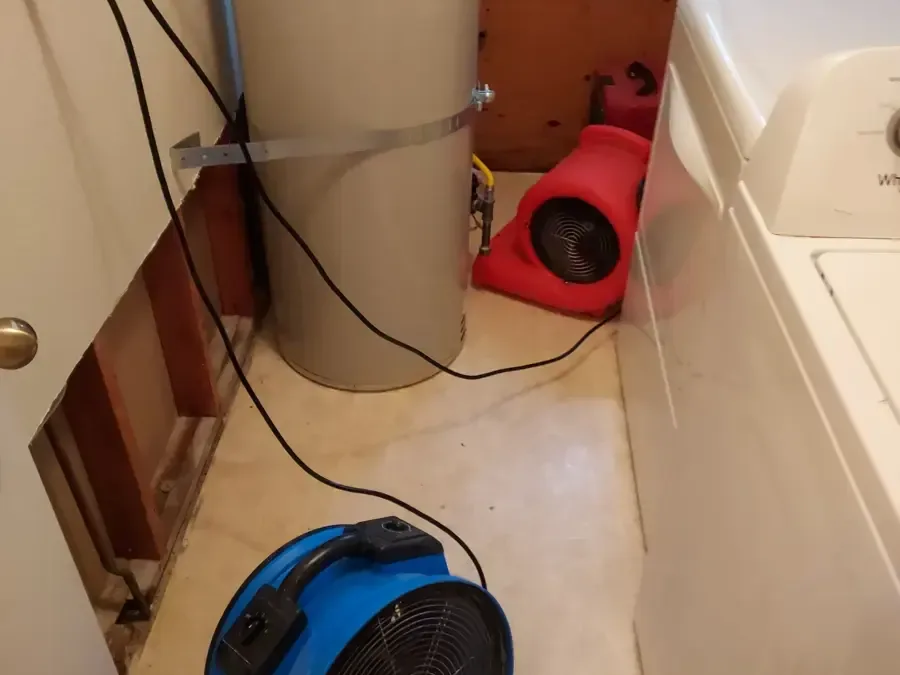
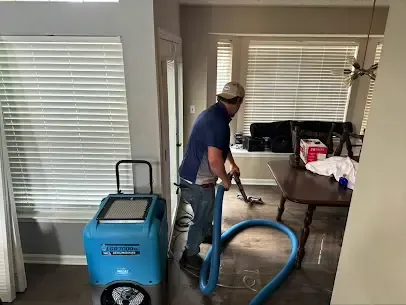
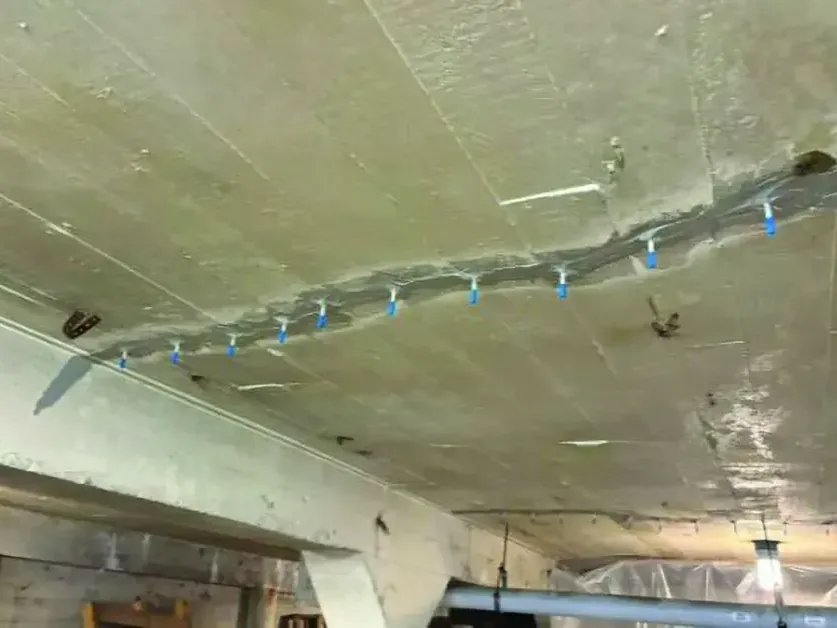
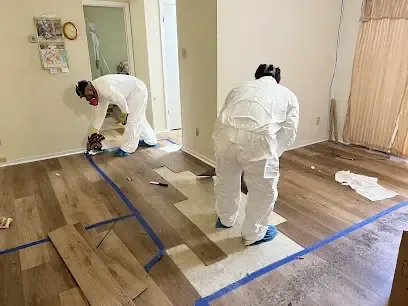
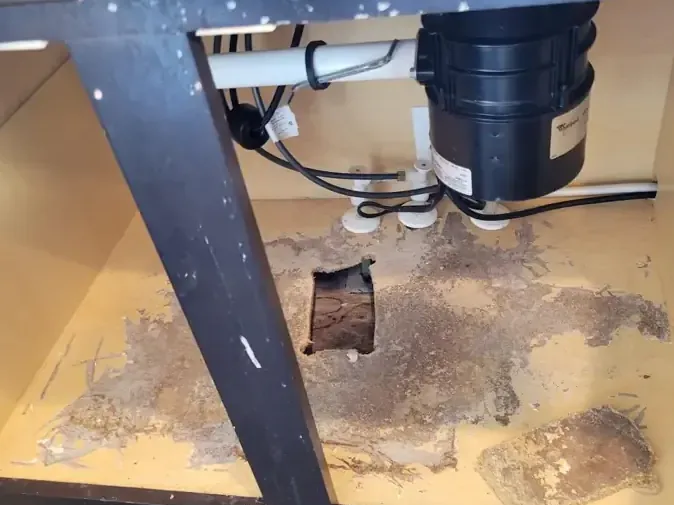
What a dry out looks like while the work is underway
Serving homes and shops across ZIP code 37073
Routes and landmarks served
Nearby service areas
Water in the house right now? Reach the crew any hour
The 2020 census counted 6,898 people in 2,393 households in Greenbrier, and the crew works homes and shops across ZIP code 37073, not only inside the city limits.
Residents can sign up for Reach Alert notifications on the Greenbrier city website, and the crew can be reached at any hour, day or night.
(888) 849-5796Call for water in the houseEveryday ways water gets into a house
Greenbrier is concentrated along a stretch of U.S. Route 41 in Middle Tennessee, and its homes and businesses face the same short list of water problems.
Year round
A USGS monitoring location on Carr Creek tracks the creek through the year, and heavy rain that raises local creeks can push water toward low yards and foundations.
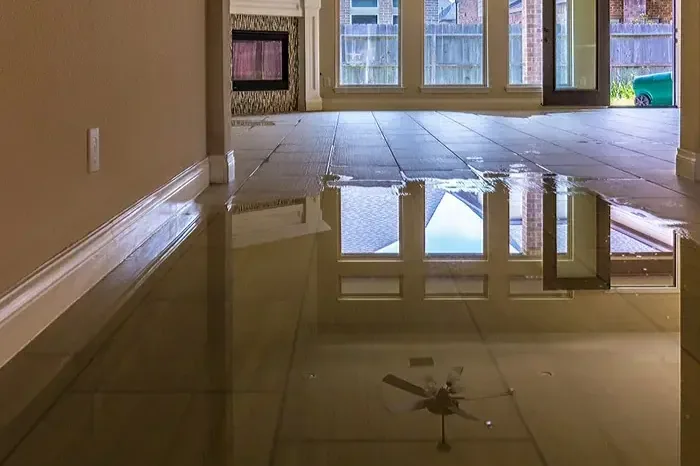
- Water heater leaks. A tank that drips at a fitting can soak the floor and nearby wall base for days before anyone sees a puddle, and a sudden failure puts a full tank across the floor at once.
- Appliance hoses. A hose behind a washer or dishwasher can weep for weeks, and by the time the floor feels soft the subfloor and cabinet base are already wet.
- Creek and storm water. The USGS keeps a monitoring location named Carr Creek at Greenbrier, and when heavy rain pushes water into any home, the cleanup is a flood job: pump, strip and dry.
- Frozen and split pipes. Freezing weather can reach Middle Tennessee, and a pipe split by it may run unseen inside a wall until the thaw shows the damage.
- Sewage backups. A backed up drain sends contaminated water across a floor, and because it carries bacteria it must be removed and the area disinfected, never just dried.
Common water damage questions
How soon does water need to come out?
As soon as it is safe, because pad, drywall and framing keep absorbing water the longer it sits, and mold can begin to grow after 24 to 48 hours. Calling the crew early limits how much flooring and wall has to be torn out.
Does the crew work outside the city limits?
Yes. ZIP code 37073 also lists Coopertown as an alias city name, and its 14,506 residents in the 2020 census were about twice the city's own population, so the crew works homes and shops well beyond the city limits.
Will insurance cover the cleanup?
That depends on the policy and the cause of the water, and the crew cannot decide what a carrier pays. It documents the loss with dated photos, moisture readings and a daily drying log, so the homeowner and adjuster have proof.
What does a sewage backup need that clean water does not?
Sewage carries bacteria, so the water is removed first, porous materials such as carpet, pad and insulation are usually discarded, and hard surfaces and framing are cleaned and disinfected. Drying alone is never enough for contaminated water.
Can wet drywall and flooring be saved?
Often, when the water was clean and the material is dried quickly. Soaked pad, swollen drywall and anything touched by sewage are usually removed, and the readings taken during structural drying decide each remaining case.
How long does drying usually take?
A small area can dry in a few days, while a whole floor takes longer. The equipment stays until meter readings match dry materials, and the calendar has no say in when it leaves.
Should power be shut off in a wet room?
Yes, if the panel can be reached safely, switch off the breakers feeding wet rooms and stay out of standing water near outlets. Call an electrician if the panel itself is wet.
Do shops and offices get the same service?
Yes. Manufacturing, health care and social assistance, and retail trade lead Greenbrier employment, and commercial water losses are dried in phases so the business can keep working where possible.
Can residents get city notifications?
The Greenbrier city website offers a Reach Alert sign up for notifications, and city offices are open Monday through Friday, 8:00 AM to 4:00 PM, for questions about city utilities. Water damage itself is a call to the crew first, since extraction should not wait for office hours.
What causes most household water losses?
Water heaters, appliance hoses, split pipes and roof leaks cause most of them, and each calls for a different drying plan. Burst pipe damage and appliance leak damage are two of the most common.
Still have a question about the damage? Describe what happened and what is wet, and the crew will explain the first steps, the likely drying scope and what to photograph.
(888) 849-5796Talk through the damageWater in the house? Start the dry out before it spreads
The crew extracts, dries and documents water losses at any hour, and calling early saves more of the floor and walls.