Flood and Flash Flood Cleanup in Madison, TN
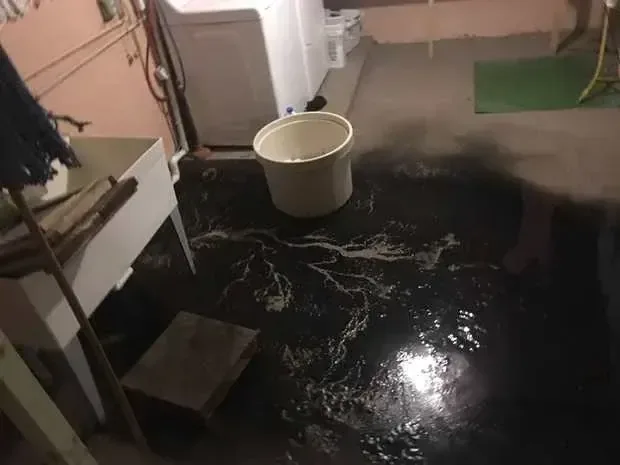
When a creek jumps its banks or a cloudburst sends runoff under a door in Madison, the water carries soil, sewage and fuel. The mitigation team treats it as Category 3, removes what it soaked and dries the structure.
(888) 849-5796Creek water came inside? Start the flood tear-out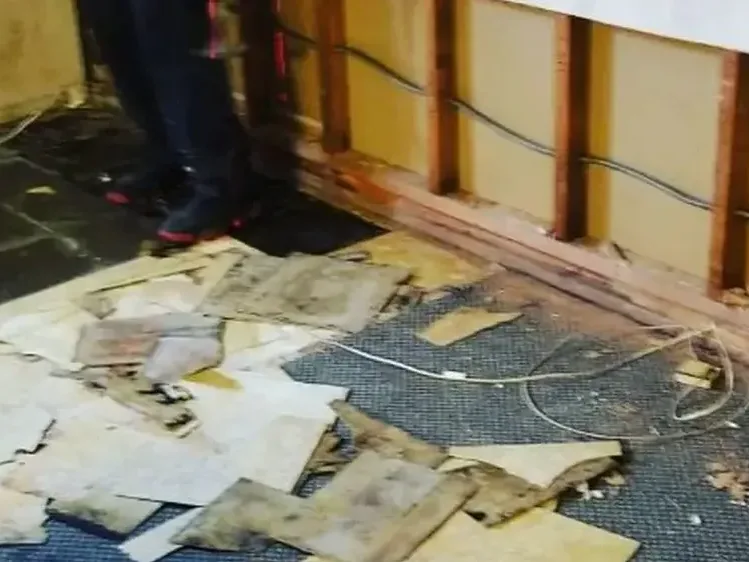
What does flood and flash flood cleanup cost in Madison, TN?
Flood cleanup typically runs $3,000 to $40,000 or more. The depth of the water, the square footage, how much drywall, insulation and flooring must come out and how long the structure takes to dry set the number.
Garage or one room
$3,000 to $7,500- Shallow flash flood water
- Lower drywall cut out
- Antimicrobial and drying
Main floor flooded
$7,500 to $18,000- Several rooms tear-out
- Flooring and pad removed
- Containment and LGR drying
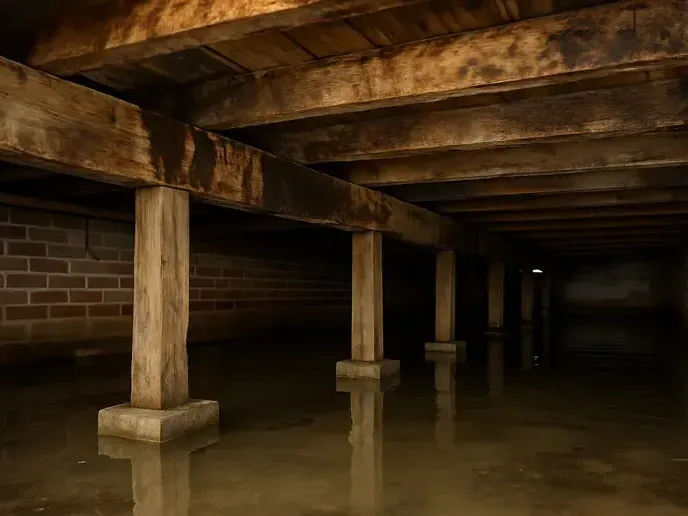
Deep or long-standing water
$18,000 to $40,000+- Water above outlet height
- Insulation and cabinets out
- Extended drying and monitoring
Ranges are typical, not a quote: water category, square footage, material class and how fast drying started move the number most. Try the water damage cost calculator for a closer planning range.
What to do first when flood and flash flood cleanup starts
Wait for safe entry
Do not walk into floodwater near outlets or with the power still on.
Shut off the power
Have the utility or an electrician cut power if the panel got wet.
Document the waterline
Photograph the highest water mark on every wall before cleanup.
Keep contents apart
Set soaked items aside for the adjuster instead of throwing them out.
How flood and flash flood cleanup is handled, step by step
- 1
Contain
Set barriers and protective gear for Category 3 water.
- 2
Remove
Extract water, then cut out soaked porous materials.
- 3
Treat
Clean and apply antimicrobial at its dwell time.
- 4
Dry
Dry the framing until readings meet the dry goal.
Floodwater is never clean water. Once it crosses a yard, a street or a parking lot, the S500 standard treats it as Category 3, and porous materials it touched are removed rather than dried in place.
Why floodwater is treated as Category 3
Runoff picks up soil, lawn chemicals, fuel and overflow from sewers on its way in. That is why floodwater is treated as contaminated, even after an event like the May 2010 flood, when Nashville took 13.57 inches of rain in two days and the Dry Creek wastewater plant flooded.
What a flood cleanup includes
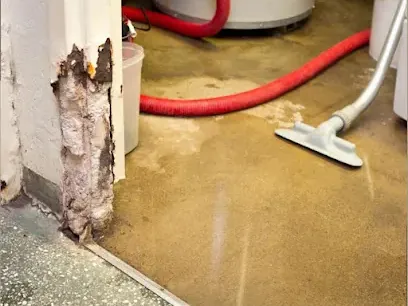
- Extraction of standing water and mud
- Drywall and insulation cut out above the highest waterline
- Carpet, pad and soaked flooring removed and bagged
- Surfaces cleaned and treated with an EPA-registered antimicrobial at its labeled dwell time
- Structural drying with air movers and LGR dehumidifiers
Flash flooding along the pike and low lots
Not every flood comes from the river. A cloudburst can push water across Gallatin Pike and into low garages and slab homes fast. Flood insurance usually covers this water, not the homeowners policy, so the moisture logs and photos matter. Water extraction starts the job either way.
Outside references: FloodSmart, the National Flood Insurance Program and National Weather Service flood safety.
- Water category and class of loss set on day one
- Moisture map and dry reference readings before drying
- Daily moisture and psychrometric logs
- Equipment out only when readings are within 2 to 4 points of dry
Floodwater in the house? The mitigation team handles it as Category 3, 24/7.
(888) 849-5796Book the flood cleanup crewFlood and Flash Flood Cleanup in Madison: common questions
Does homeowners insurance pay for flood cleanup?
Usually not. Rising water from outside is normally covered by a separate flood policy, while a homeowners policy covers sudden water from inside the house. Check your own policies before work starts.
How high is drywall cut after flood cleanup?
Typically a little above the highest waterline, often 2 or 4 feet, so the cut lands on clean, dry material. Insulation in that wall section comes out too.
Can flooded hardwood or carpet be saved?
Carpet and pad touched by floodwater are removed. Solid hardwood is sometimes dried and refinished if it was cleaned quickly, but engineered and laminate floors rarely survive.
How long does flood drying take?
After tear-out, framing and slabs usually need 5 to 10 days of drying. The equipment stays until readings meet a dry reference.
Is it safe to stay in the house during flood cleanup?
That depends on the power, the depth of the water and the work areas. The mitigation team contains the wet section, and many households stay in dry rooms.
Related water damage services
Flood and flash flood cleanup across Madison and northeast Nashville
Madison Water Damage Restoration covers ZIP 37115 and 37116, from the historic downtown and Amqui Station along Gallatin Pike to Rivergate and the Motor Mile, out to Marlin Meadows, Neelys Bend Road, Dickerson Road and Old Hickory Boulevard.
Nearby coverage reaches Inglewood, East Nashville, Old Hickory, Goodlettsville, Hendersonville, Whites Creek.
Creek or runoff water inside? Start the cleanup now.
Floodwater spreads contamination into drywall, insulation and flooring. Tear-out and antimicrobial treatment come first.