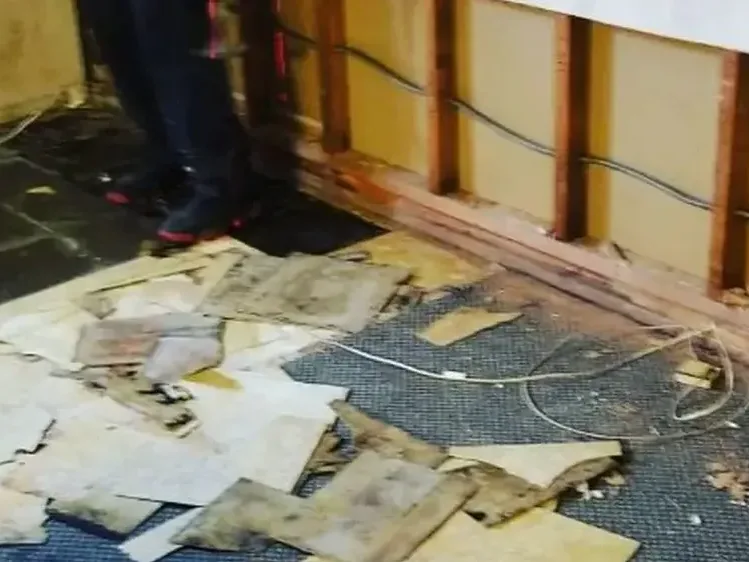
In July 2026, heavy rain flooded part of Gallatin Pike in Madison, trapped people inside a restaurant and opened a sinkhole on Pierce Road. When street water reaches a doorway, the questions come fast: what is safe to touch, what has to go, and what can wait.
Key takeaways
- Water that rises from a street or storm drain is treated as Category 3, so it is handled as contaminated from the first minute.
- Switch off power to the wet area only if the panel is dry and reachable, and stay out of standing water until that is done.
- Photograph the waterline and the damage before anything is moved, then start pulling the water out.
- Carpet pad, wall insulation and low drywall that sat in flood water are usually removed, not dried.
- Drying continues after the water is gone and ends when readings reach a dry reference, not when the floor looks dry.
Why street flood water is not a simple leak
A roof leak or a split pipe puts water into a building from above or from inside. Flood water does the opposite: it rises in a parking lot, crosses the threshold and brings the street with it.
On the way it collects soil, oil, trash and whatever the storm drains could not carry. That is why the restoration industry treats it as Category 3, the most contaminated water class.
Clean water and flood water can look alike in a first photo. The difference is in what the water carried and how deep it reached into porous materials such as pad, insulation and the base of the walls.
The category sets the plan. With Category 3 water, porous materials come out instead of being dried in place.
- Category 1 is clean water, such as a supply pipe that has split.
- Category 2 carries some contamination, such as a washing machine overflow.
- Category 3 is grossly contaminated: flood water, sewage and anything that has crossed the ground.
First steps once water is inside
Water and electricity do not mix, and a wet outlet can energize standing water. If the breaker panel is dry and easy to reach, switch off power to the wet area, then stay out until it is done.
If the panel itself is wet, do not go near it. Wait for an electrician to make the area safe.
If the water is still rising, cleanup waits. Moving water, even shallow, can be dangerous to walk through, and drains and low spots may be hidden under the surface.
- Keep children and pets out of the water, since flood water can carry bacteria.
- Wear boots and gloves if you must enter, and wash hands afterward.
- Do not use a household vacuum on standing water.
- Lift electronics, paperwork and keepsakes onto dry surfaces where it is safe to do so.
- Take photos of the waterline on each wall before furniture is moved.
What extraction removes first
The first job is getting the standing water out. Crews use truck-mounted units for water extraction and removal, which move far more water than a wet vacuum can.
After the water, the mud and silt come out. Then the crew removes what the flood ruined, following the rules for flood and flash flood cleanup.
Mud left to dry on floors and cabinets turns into a crust that is hard to remove and keeps the material underneath damp. Washing the surfaces after the pump-out takes the silt off before it sets.
- Carpet and pad that sat in flood water are removed and discarded.
- Insulation in wall cavities below the waterline comes out.
- Drywall that wicked water upward is cut off above the highest wet mark, with a margin.
- Tile, sealed concrete and other hard surfaces are cleaned, treated and then dried.
Shops and restaurants along the corridor
Madison has two centers, downtown Madison and Rivergate, with the Motor Mile between them, and Gallatin Pike is one of its main roads. A flooded storefront loses money every day the doors stay shut.
Food areas come first. Anything that touched flood water is thrown out, and food surfaces are cleaned and treated before service resumes.
A larger loss is dried in phases, so one part of the building can keep working while another is opened up. The commercial water damage plan is built around that idea.
A dated list of what was damaged, with photos, saves time later. Businesses lose hours to paperwork when the records are built after the fact.
- Photograph stock, equipment and the waterline before anything moves.
- List damaged stock and equipment for the insurer.
- Move records and electronics above floor level before the next storm.
- Ask for a drying plan that names which rooms can reopen first.
Drying after the water is gone
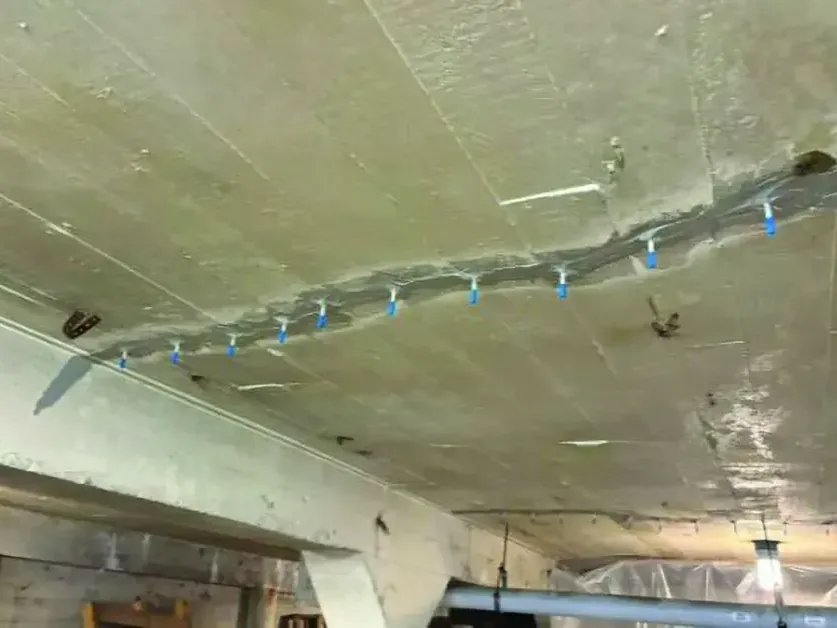
Pumping out the water is only the start. Wet framing, subfloor and concrete hold moisture long after the surface looks dry.
Equipment is placed room by room, not at random. Each wet room gets a setup sized to its volume and to how wet the materials read.
Opening walls and floors
Drywall is cut above the wet mark so air can reach the cavity behind it. Floors and framing are measured with moisture meters instead of guessed.
Baseboards come off, and wet cabinet bases are opened so they can dry from the inside.
Air movers and dehumidifiers
Air movers push dry air across wet surfaces while dehumidifiers pull moisture out of the room. They run until readings are within 2 to 4 points of a dry reference.
Drying often takes several days, and dense materials such as framing and concrete take longer than drywall.
Getting ready for the next heavy rain
Spring and fall bring severe thunderstorms to the Nashville area, and the July 2026 flooding showed how quickly a road can go under. A short plan makes the next one easier.
The service area covers Madison and nearby communities, so it helps to know who to call before the storm, not during it.
- Know where the main breaker and the water shutoff are.
- Keep dated photos of each room as a record of how it looked before a loss.
- Store keepsakes and important papers above floor level.
- Save the contact for a local water damage crew where everyone in the household can find it.
Questions
Is flood water from a street always treated as contaminated?
Yes. Flood water is handled as Category 3 because it has crossed pavement, soil and drains before it reaches a building. That means contaminated-water cleanup, not a simple dry-out.
Can carpet soaked by flood water be saved?
Usually not. Pad that sat in Category 3 water is discarded, and carpet is rarely worth cleaning once flood water reaches it. Hard flooring is more often cleaned and dried.
Should cleanup wait until the road reopens?
Safety comes first, so no one should wade through moving water. Once the space is safe to enter, photos and extraction should start, because the longer water sits, the deeper it soaks.
How long does drying take after the water is pumped out?
Often several days, and longer for dense materials. Moisture readings, not the calendar, decide when drying is finished.
Can a business stay open during cleanup?
Sometimes. A phased plan dries one area at a time, so unaffected rooms can keep operating. Food areas and rooms with wet electrical equipment usually stay closed longer.
Why not just open the windows and run fans?
Open windows and household fans move air, but they do not remove enough moisture on a humid day, and they can spread contaminants from Category 3 water. Controlled drying with dehumidifiers is faster and safer.