Water Extraction and Removal in Ridgetop, TN
Overnight downpours can leave water sitting on floors for hours before anyone notices. The extraction crew pulls it off carpet, tile and hardwood first, then maps what stayed wet so drying starts on the right surfaces.
(888) 849-5796Water across the floor? Send the extraction crew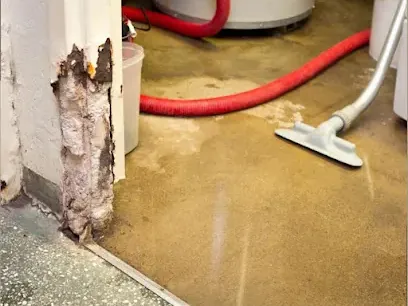
What does water extraction and removal cost in Ridgetop, TN?
Extraction usually costs $500 to $8,000+, set by how many rooms are wet and whether the water was clean. Dirty water or a soaked subfloor puts a job at the top of that range, and photos plus readings support the insurance claim.
One room, clean water
$500 to $1,500- Pump and wand pass on floors
- Pad checked for water
- Meter readings
Several rooms
$1,500 to $4,000- Pad and baseboard removal
- Wall base checks
- Drying setup
Whole floor or dirty water
$4,000 to $8,000+- Contaminated water handling
- Flooring lifted
- Sanitizing pass
Ranges are typical, not a quote: water category, square footage, material class and how fast drying started move the number most. Try the water damage cost calculator for a closer planning range.
What to do first when water extraction and removal starts
Stop the source
Close the main or the fixture valve so water quits feeding the floor.
Pump and vacuum
Submersible pumps clear the depth, then wands pull water from fibers and seams.
Test below the surface
Meters and a thermal camera show where water traveled under floors and inside walls.
Hand off to drying
Materials that stay get air movers and dehumidifiers set to a target.
How water extraction and removal is handled, step by step
- 1
Report the water
Say where it sits and how deep it stands.
- 2
Water comes off
Pumps and wands clear standing water and wet fibers.
- 3
Surfaces get checked
Meters mark wet pad, walls and subfloor.
- 4
Drying plan is set
Equipment goes where readings call for it.
Standing water does its worst damage in the first hours, wicking up drywall and soaking pad and subfloor. The extraction crew removes the bulk of it before anything else, so the drying equipment works on damp materials rather than saturated ones.
What the crew pulls out first
- Pooled water on tile, vinyl and sealed concrete floors
- Water held in carpet fibers and the pad underneath
- Moisture sitting beneath hardwood and laminate planks
- Puddles in closets, hallways, laundry corners and utility rooms
Why overnight water cannot wait
Overnight downpours like the late April 2026 storm period can put water on a floor while a household sleeps, and it keeps creeping into baseboards and cabinet bases until someone spots it. Extraction stops that spread, and a meter sweep afterward shows how far it reached before the pumps started.
What follows the pumps
Pumping is the first stage only. Carpet pad is usually discarded, hard floors are lifted where water ran underneath, and everything that stays moves into structural drying with air movers and dehumidifiers. Nothing is closed up until the readings agree. A larger loss follows the same stages described for water extraction and removal in Madison.
Outside references: Ready.gov flood safety and Tennessee Department of Commerce and Insurance.
- Water category and class of loss set on day one
- Moisture map and dry reference readings before drying
- Daily moisture and psychrometric logs
- Equipment out only when readings are within 2 to 4 points of dry
Standing water in the house? The extraction crew works 24/7.
(888) 849-5796Get the pumps rollingWater Extraction and Removal in Ridgetop: common questions
How soon should standing water come out?
As soon as it can be reached safely. Water that sits soaks drywall and pad, and the 24 to 48 hour window for mold growth is why pumping comes first.
Can wet carpet be saved?
Carpet that took on clean water can often be extracted and dried in place, though the pad underneath is usually replaced. Storm or sewage water means the carpet comes out.
What if the water is several inches deep?
Submersible pumps handle depth first and wands finish the surface. Power to the affected rooms should be shut off before anyone steps in.
Does extraction include drying?
Extraction removes the bulk water. Drying follows as a second stage with air movers and dehumidifiers, and readings show when each material reaches its target.
What should be photographed for the insurer?
The water, the damaged items and the source, before anything is moved. The crew adds meter readings and photos during the work, which supports the claim.
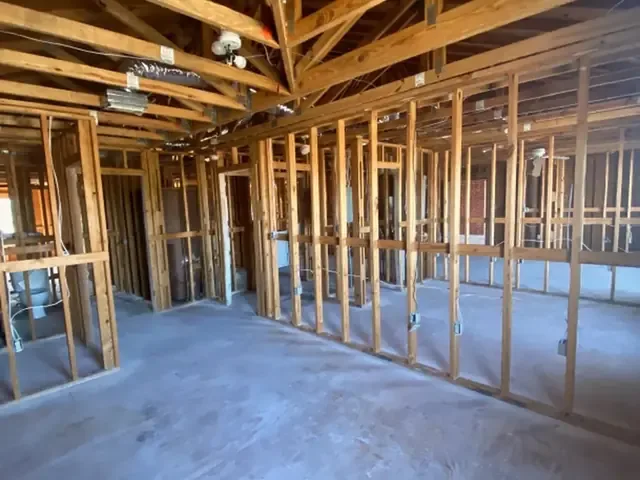
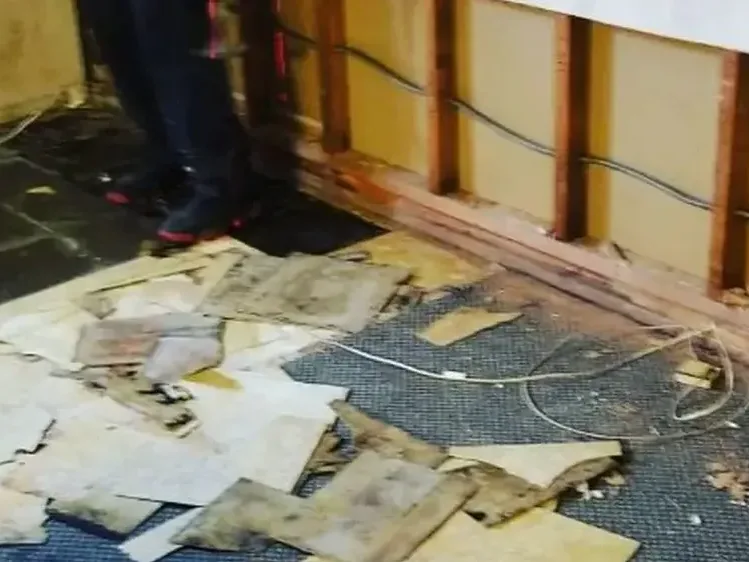
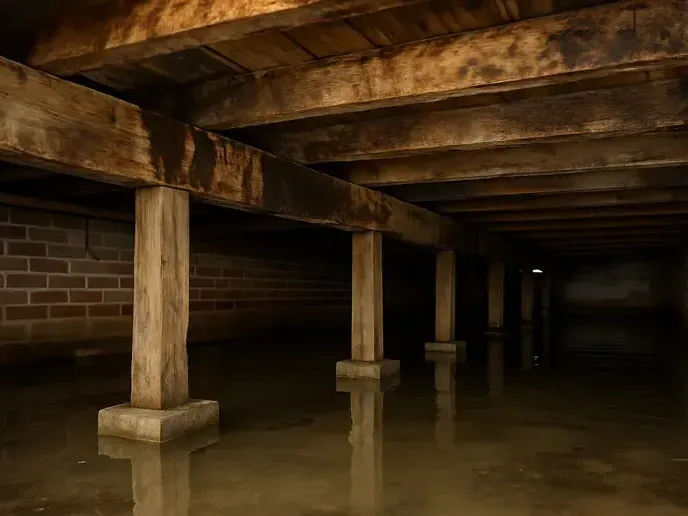
Water extraction and removal across Ridgetop and nearby towns
The extraction crew works across Ridgetop in southern Robertson County, ZIP 37152, including homes along Highland Avenue and the rest of the town's streets, plus garages, sheds and any property where overnight rain left water standing indoors.
The same service nearby: water extraction and removal in Madison, Greenbrier, Ashland City.
Floor still wet from last night's rain? Pump it out now.
Every extra hour in standing water means wetter pad, drywall and framing. A fast pump-out keeps the drying job small.